
PRIVATE TOUR ANY DATE ou DATES FOR GROUPS: April 11th to 18th – May 9th to 16th – June 14th to 21st – September 20th to 27th – October 3rd to 10th | WHERE: STATE OF ACRE – BRAZILIAN AMAZON | 8 DAYS / 7 NIGHTS
WHAT TO EXPECT?
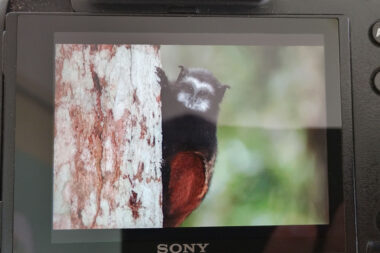
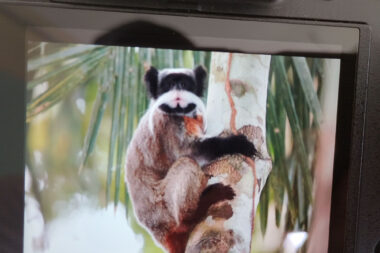
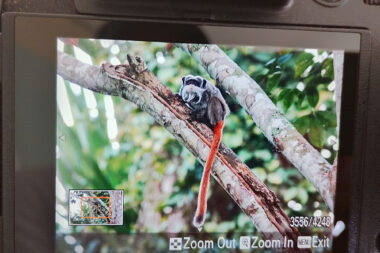
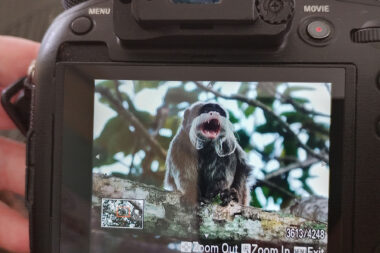
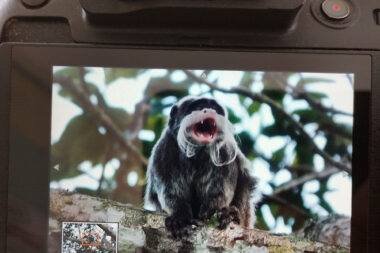
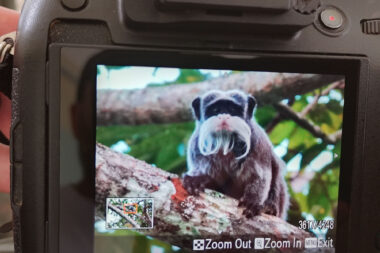
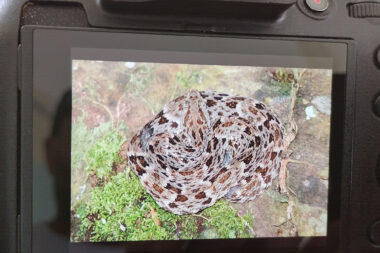
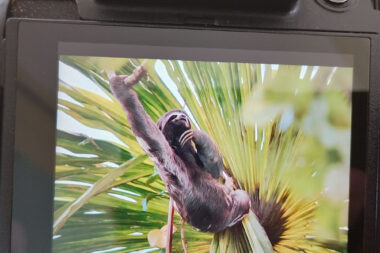
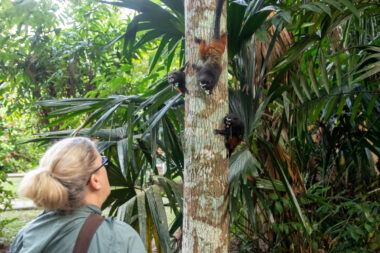
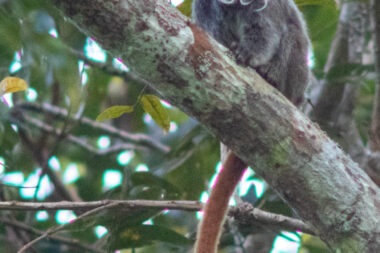
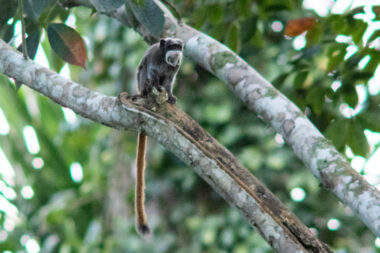
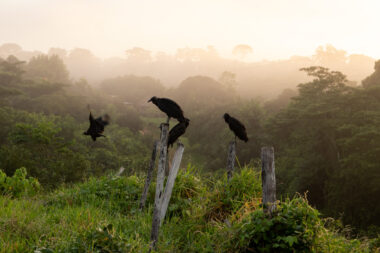
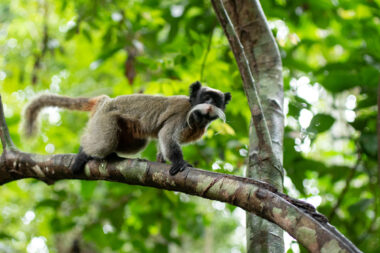
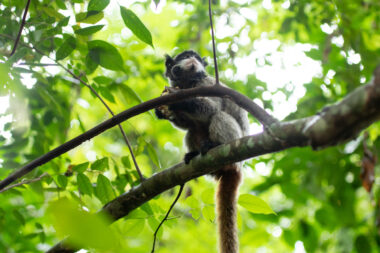
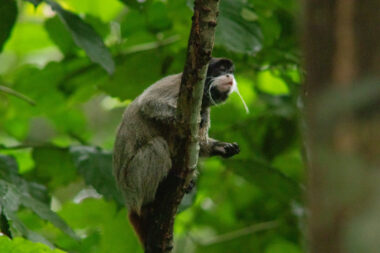
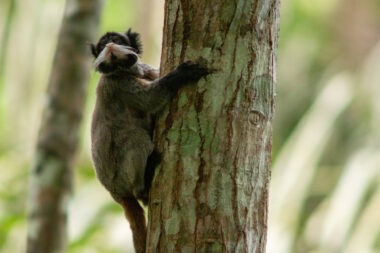
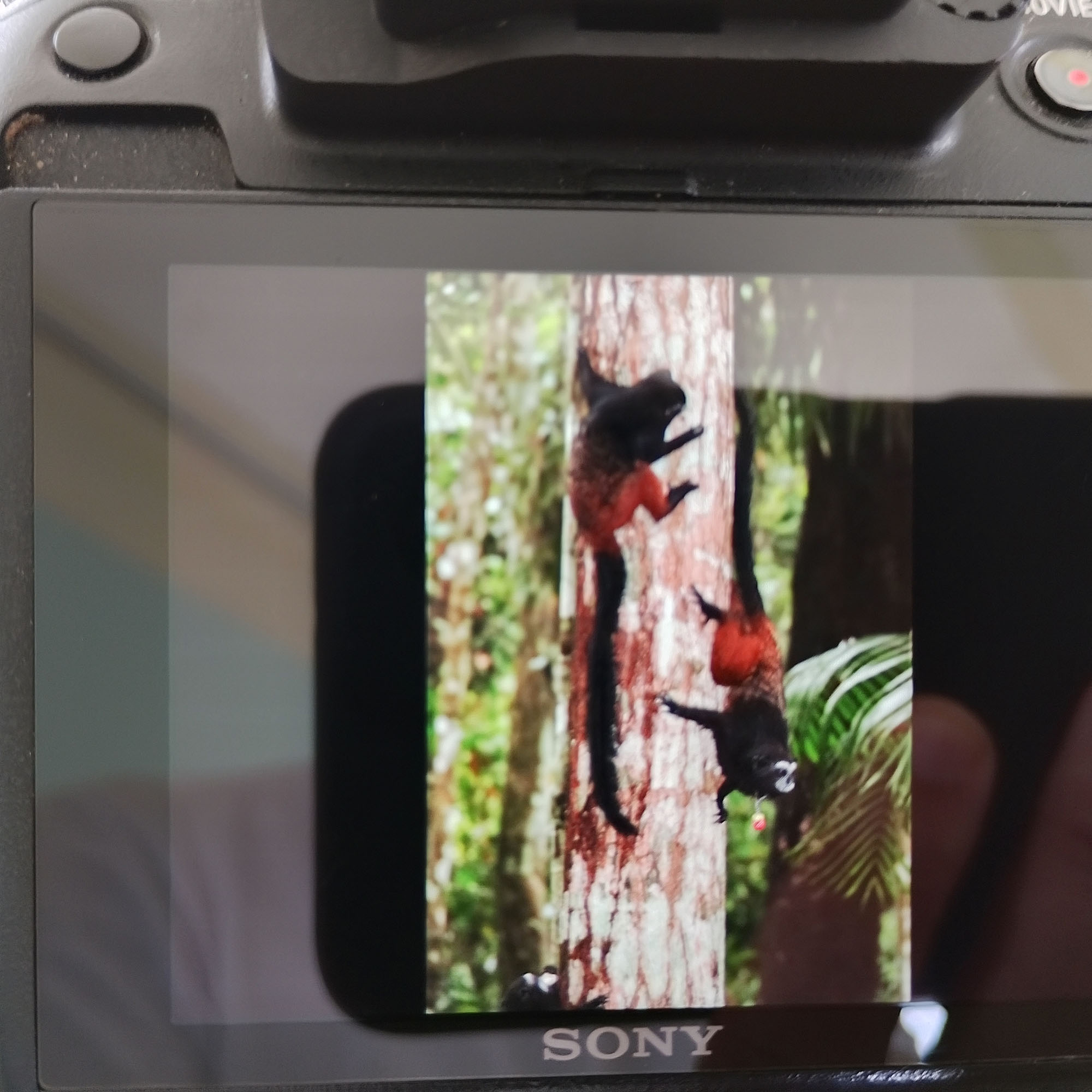
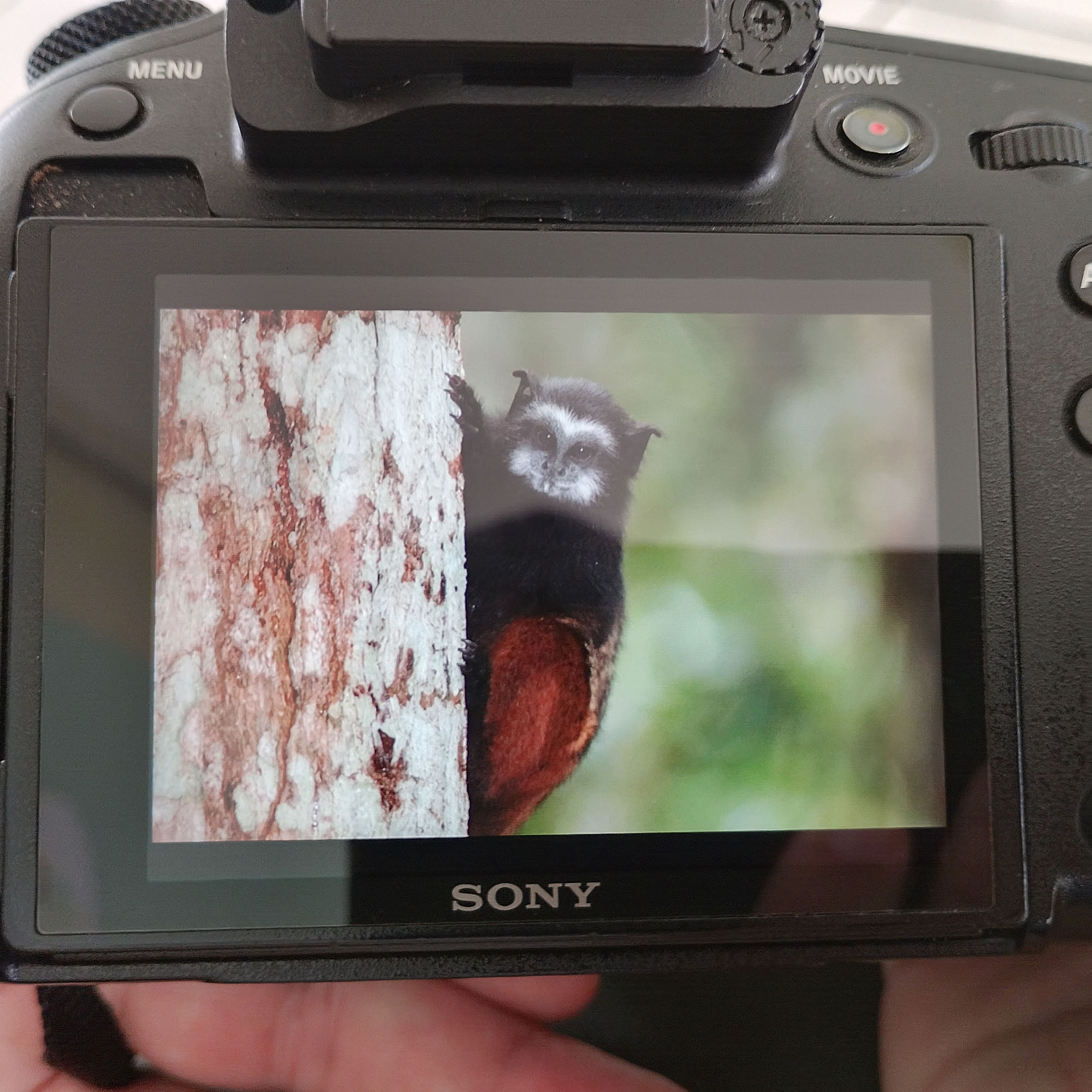
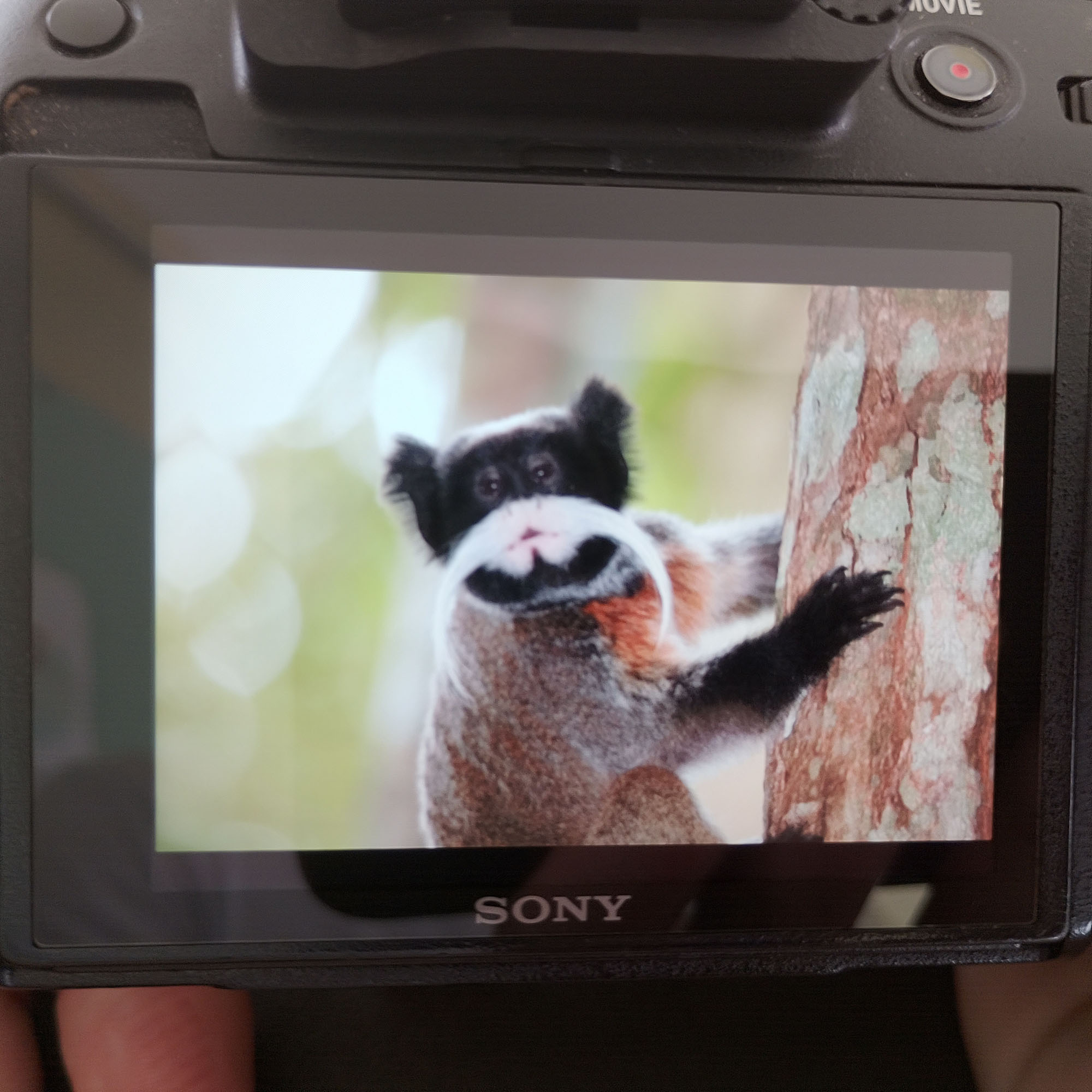
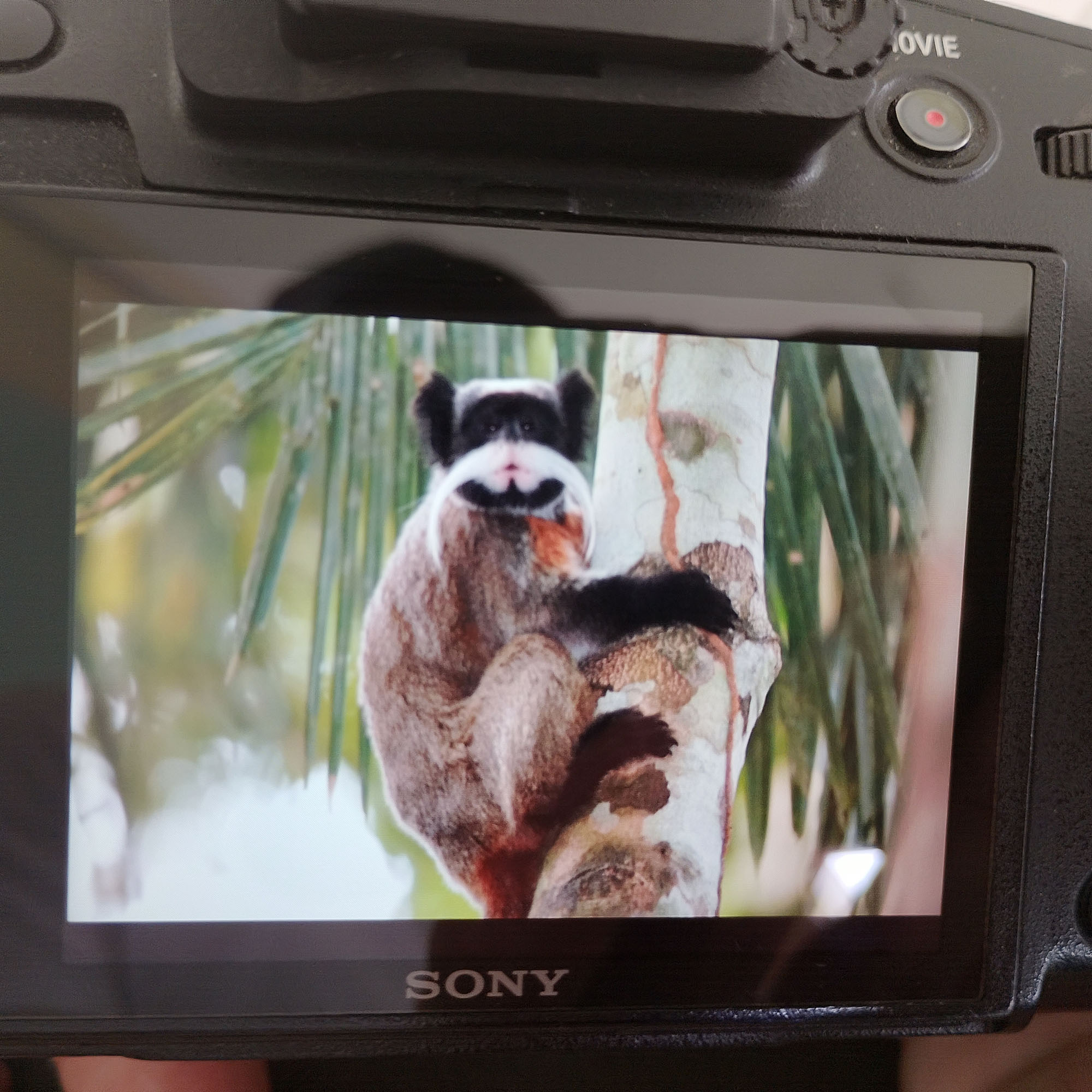
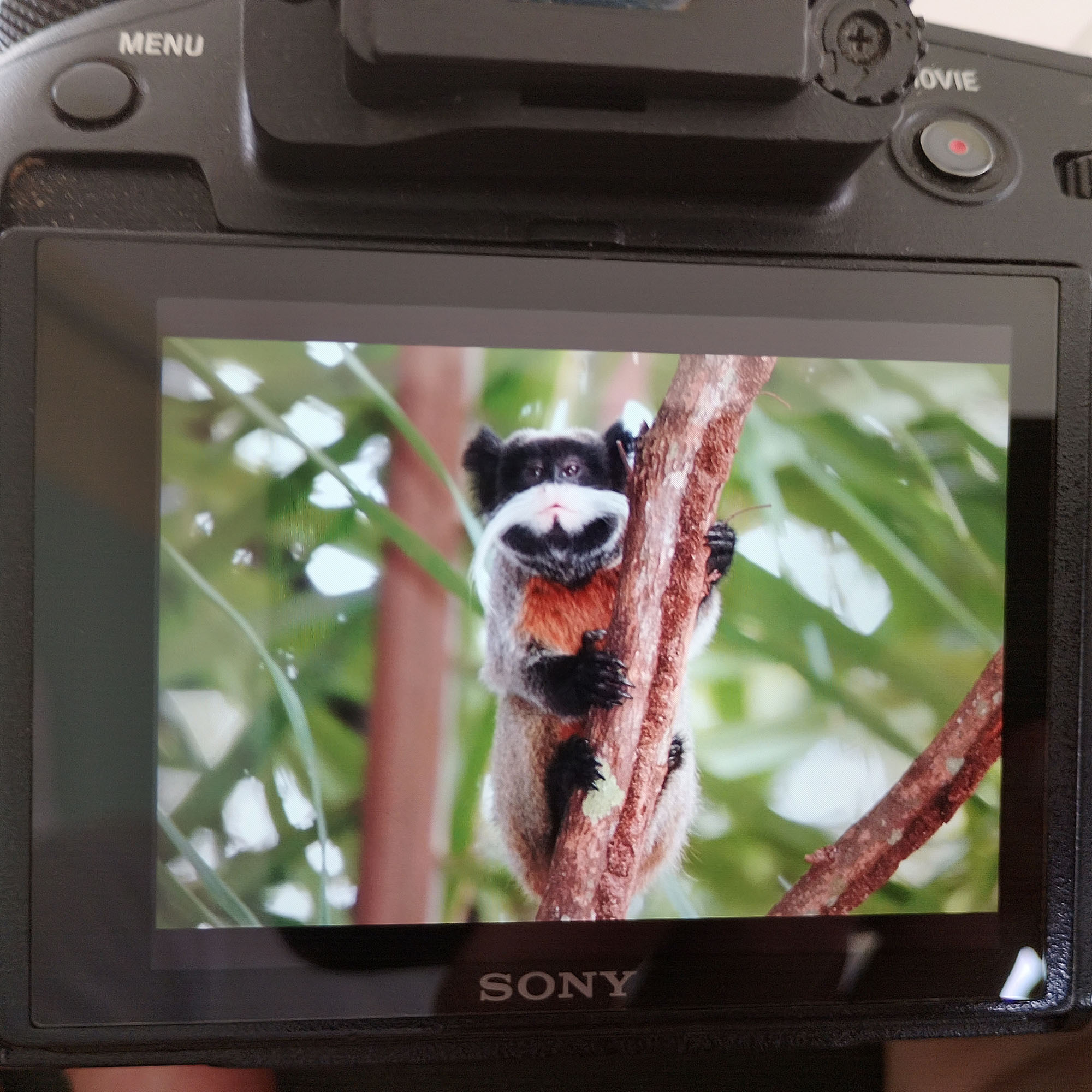
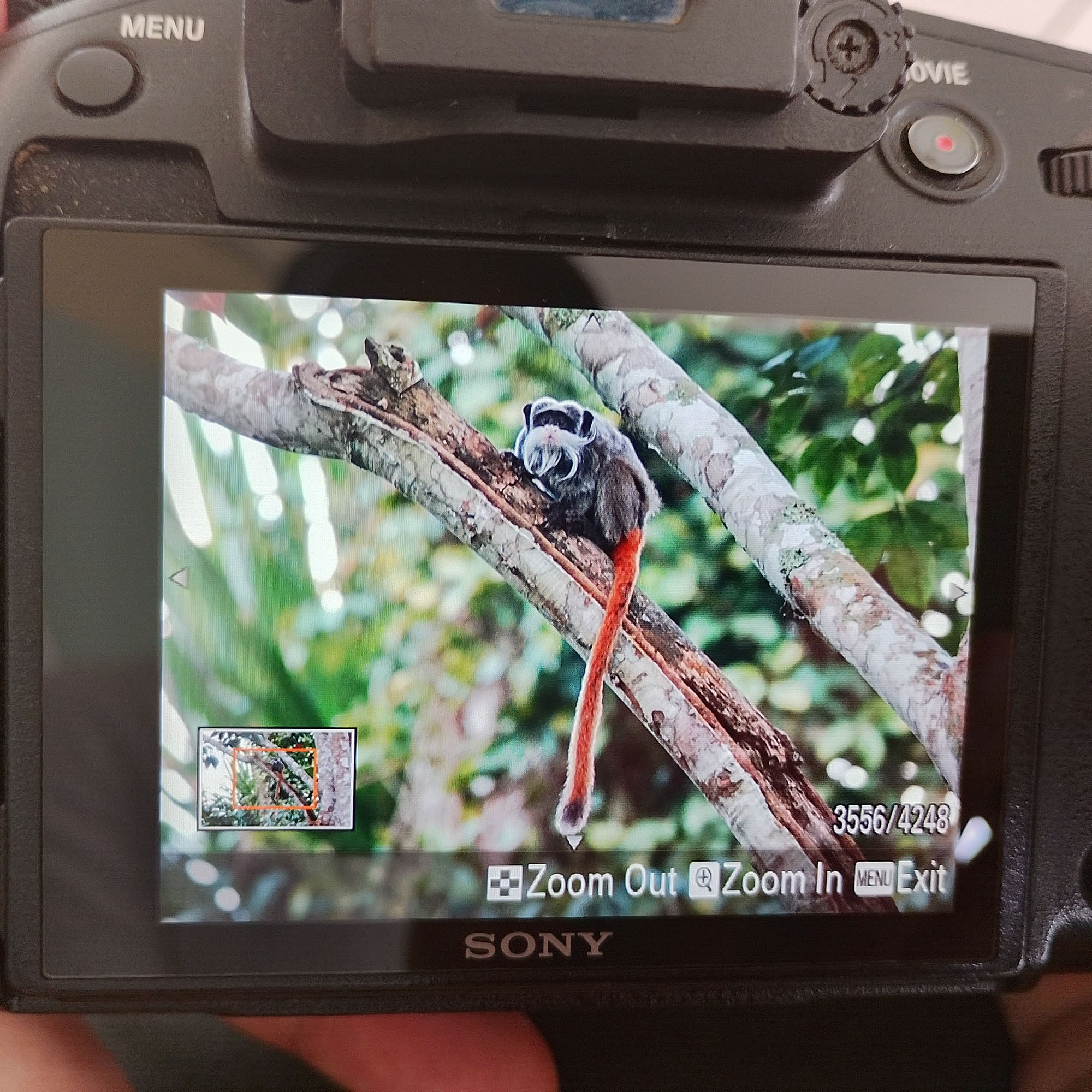
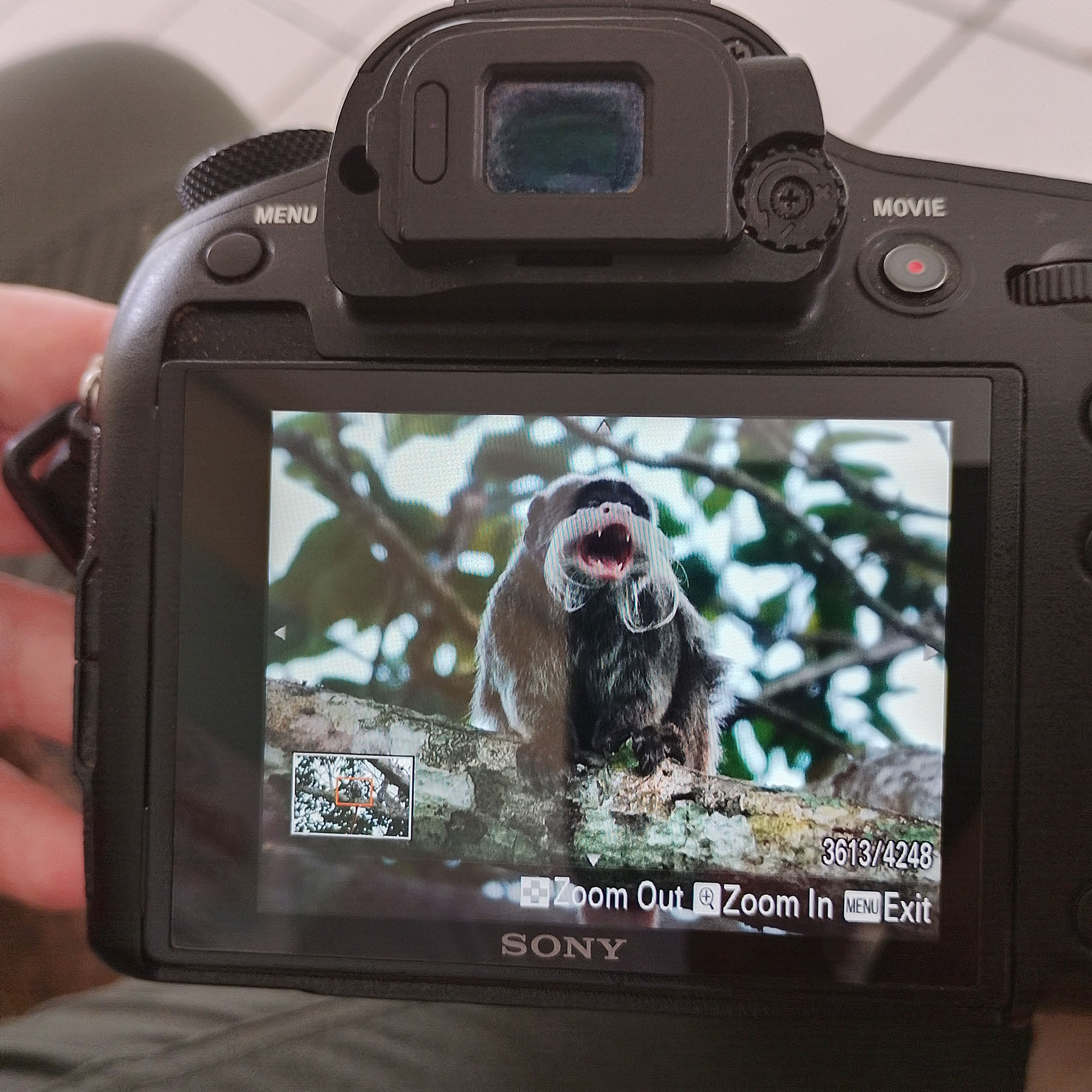
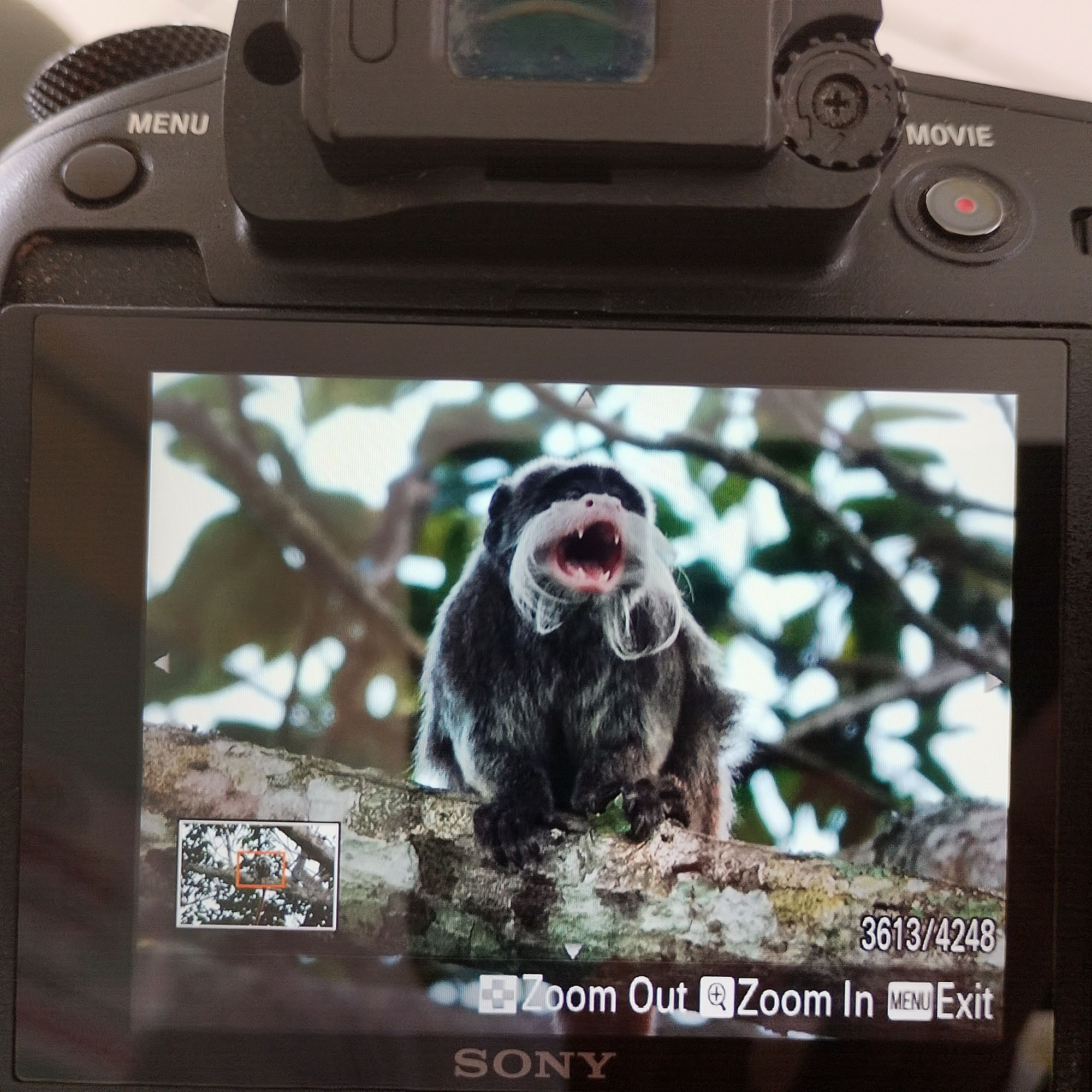
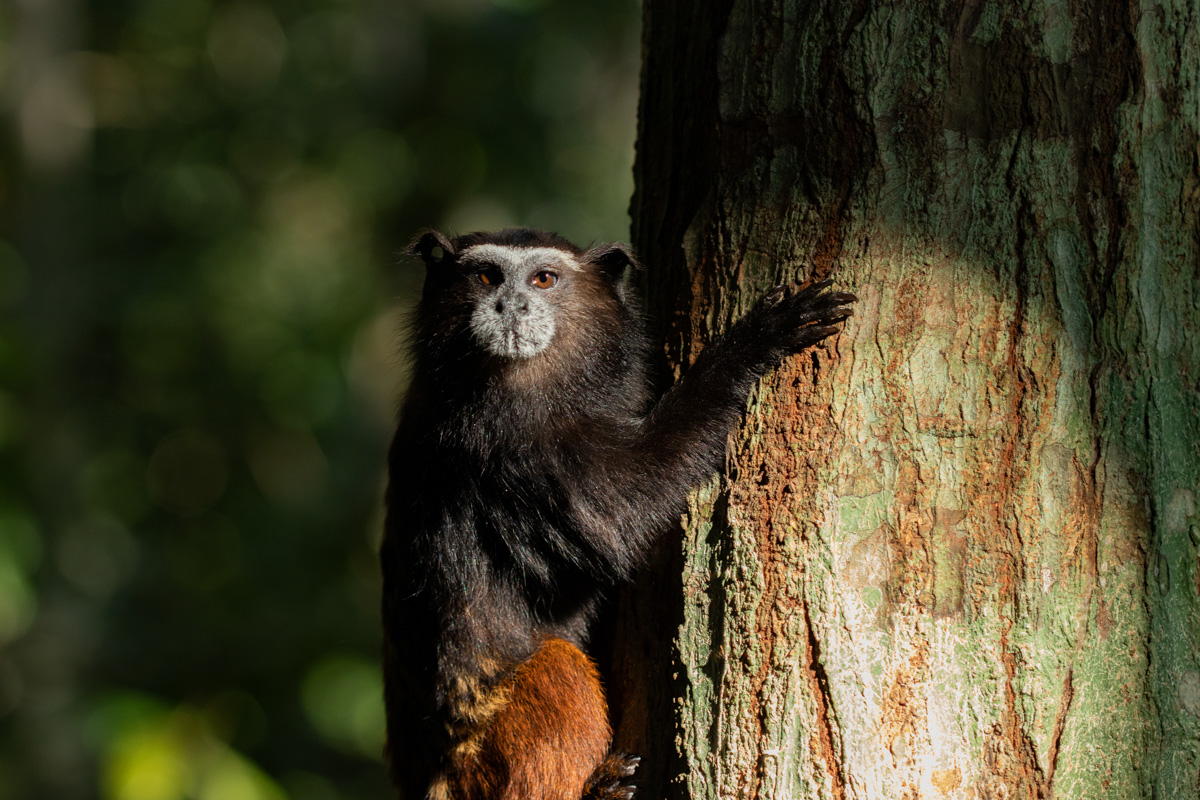
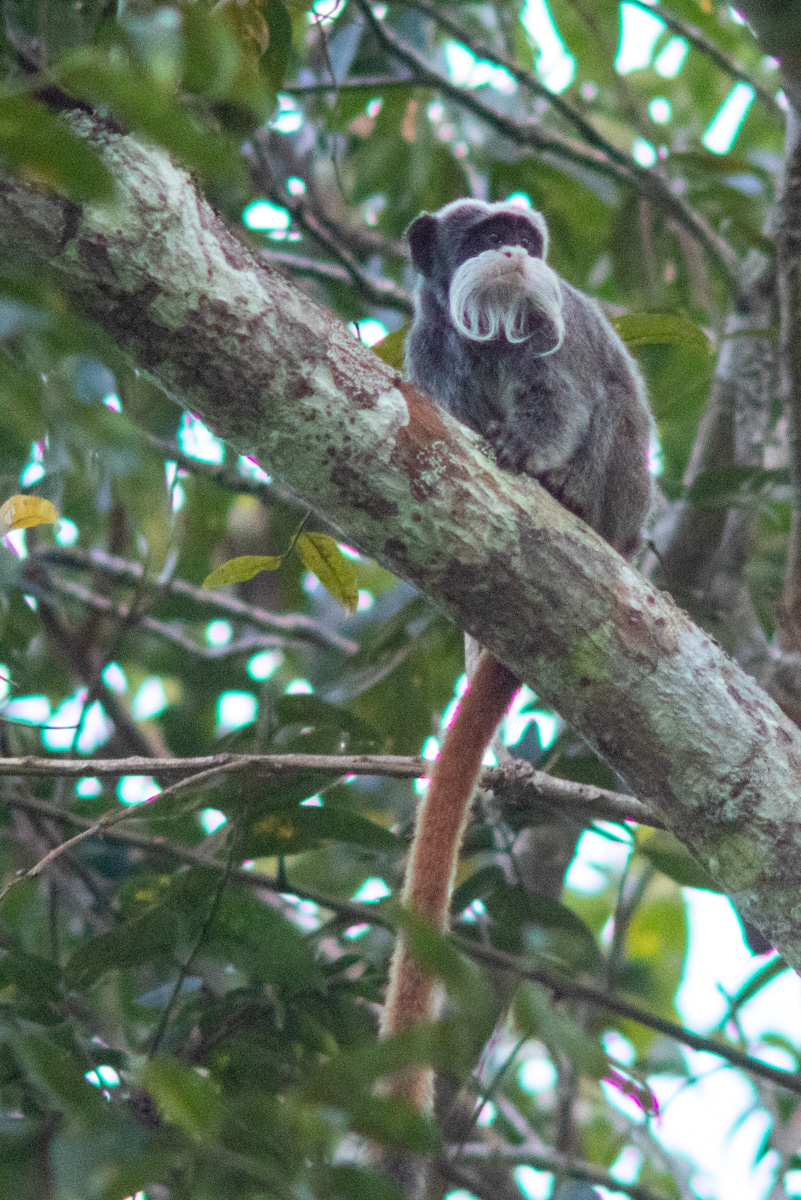
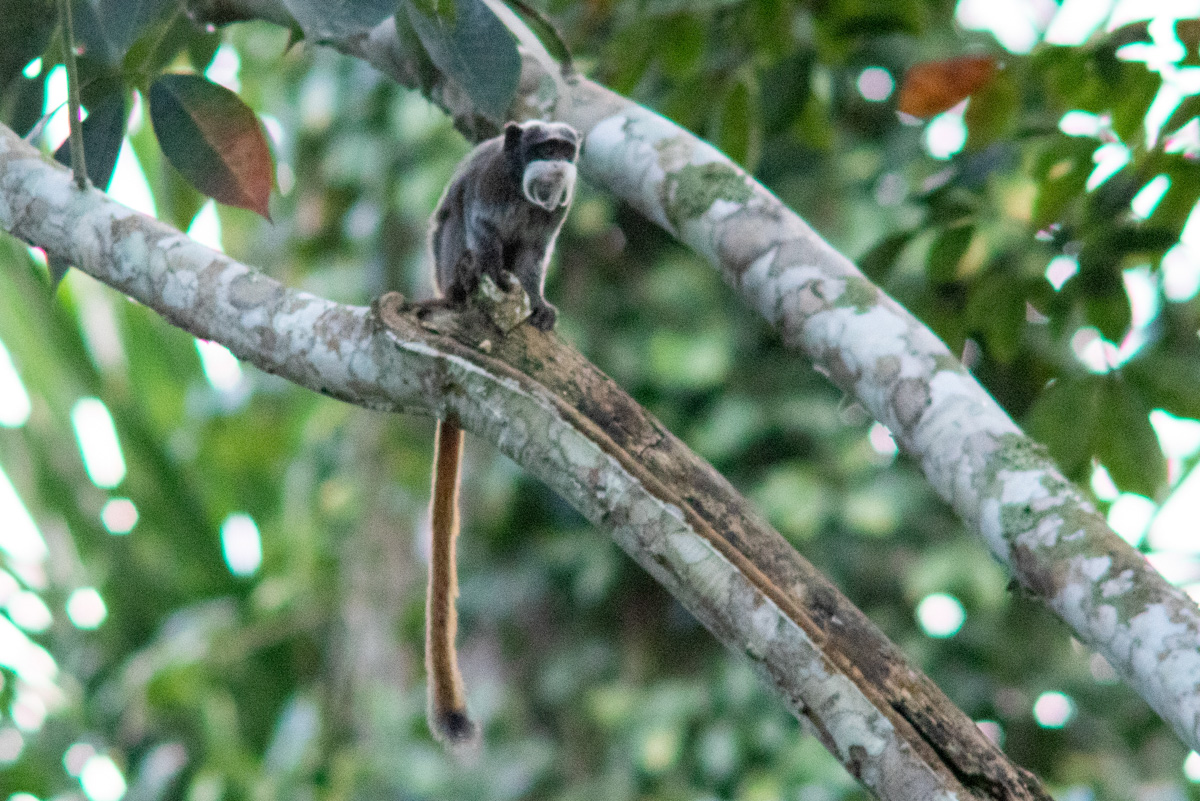
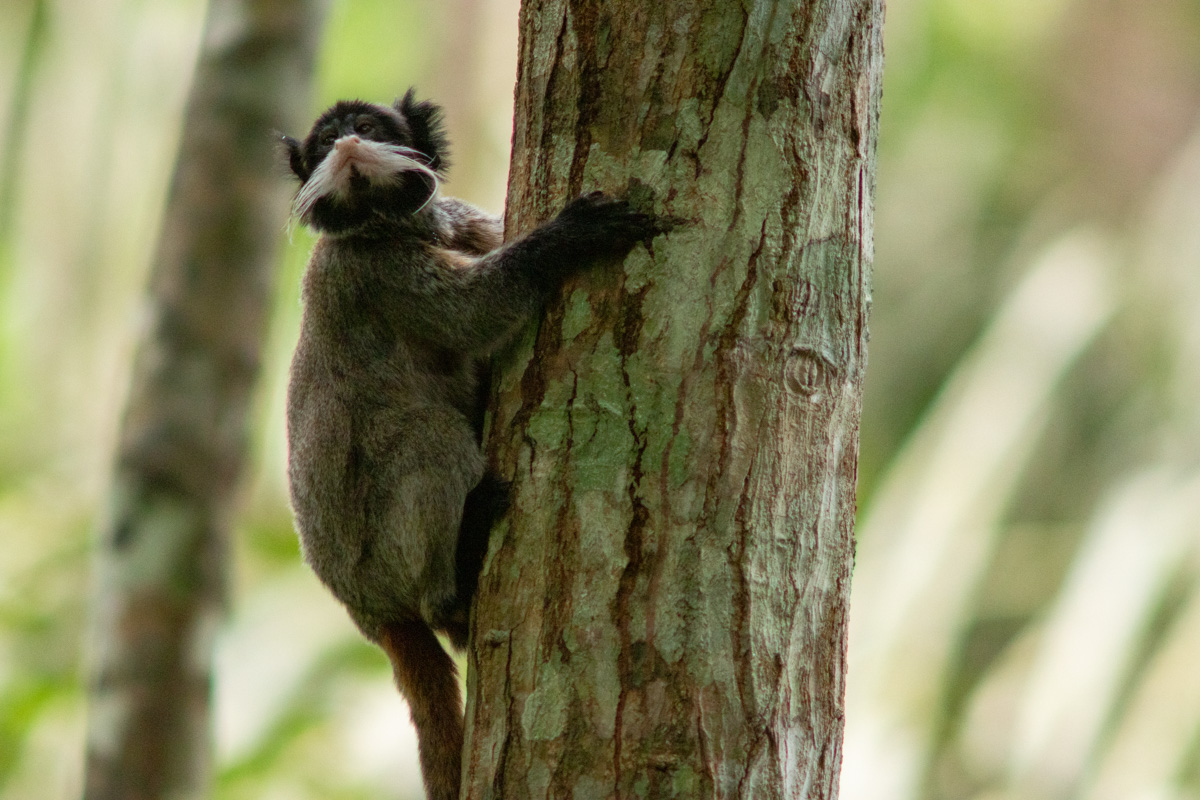
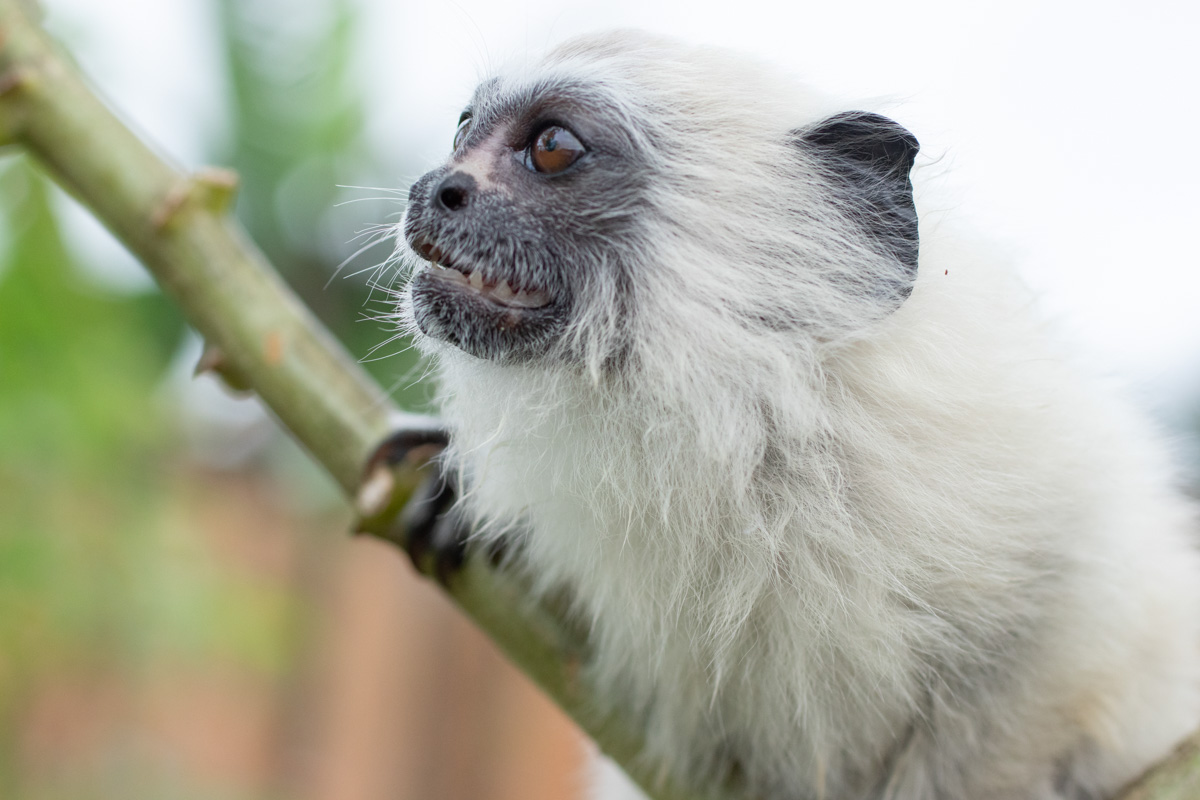
This is a 8-day, 7-night itinerary in the state of Acre, in the far west of Brazil, in one of the most biodiverse regions of the Amazon. As the name suggests, the main objective of the expedition is to obtain excellent photographs of the two species of Emperor Tamarin that inhabit the area. And, of course, we will see many other species of primates, birds, and any other animals that cross our path, as this is one of the regions with the greatest primate diversity on the planet.
Our meeting point is Guarulhos Airport in São Paulo, SP. Our flight is direct, departing at 8:05 am from Guarulhos International Airport and lasting 4 hours. We arrive in Rio Branco at 10:00 am and continue to the city of Feijó in a car or van with air conditioning. The distance between the two cities is 369 km on paved roads, but the trip takes approximately 8 hours because the road is in very poor condition. In any case, we will travel at a relaxed pace, without rushing, to avoid potholes.
The city of Feijó is located in the heart of Acre state, on the banks of the Envira River, with an estimated population of 35,000, half of whom are indigenous. This makes the visit particularly interesting, as there are many villages near the city, and during our tour, we will hike through the protected forest on indigenous territory with a local guide from the Shanunawa ethnic group.
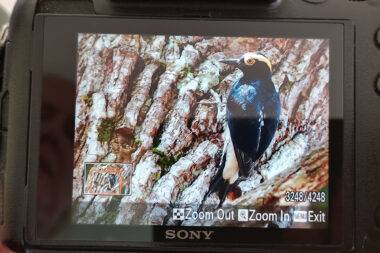
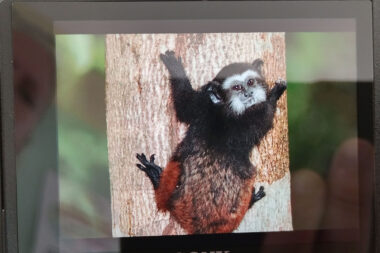
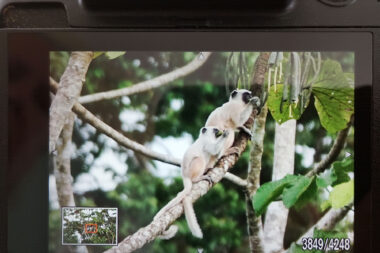
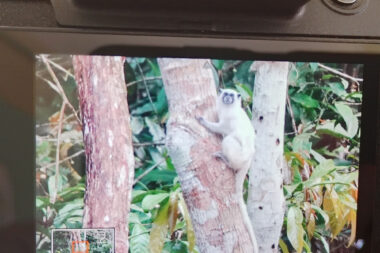
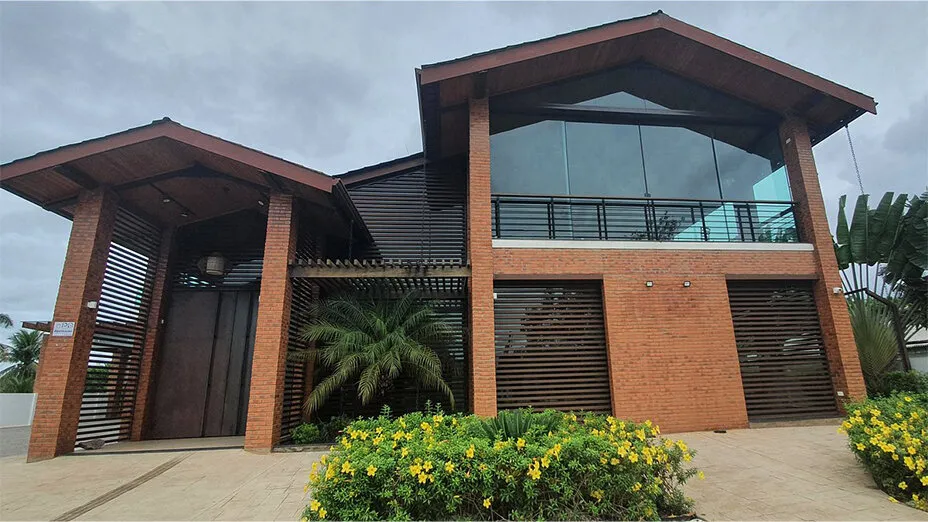
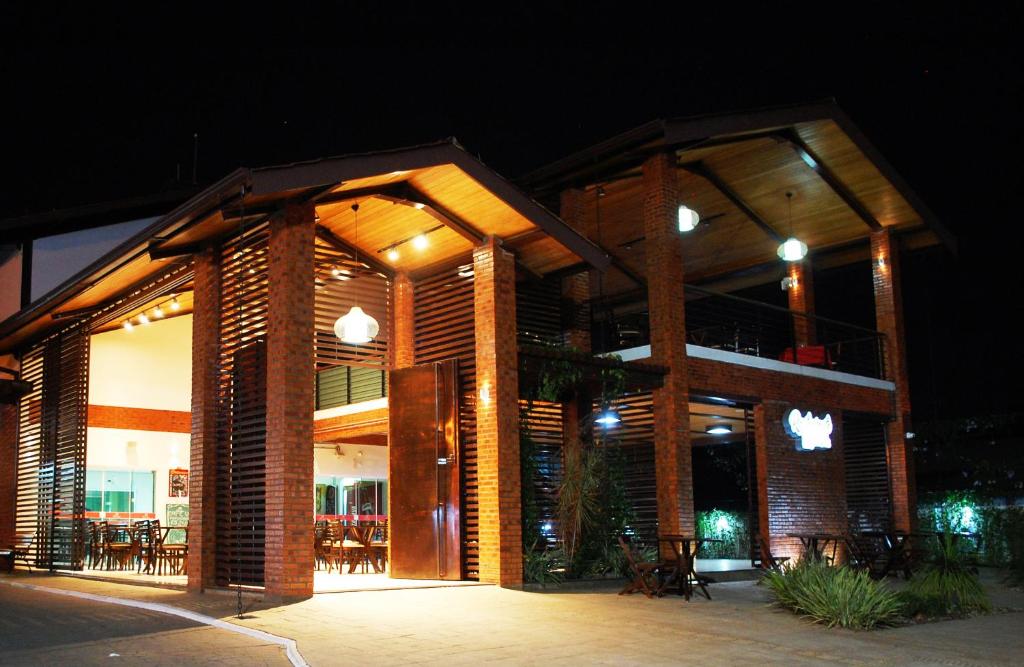
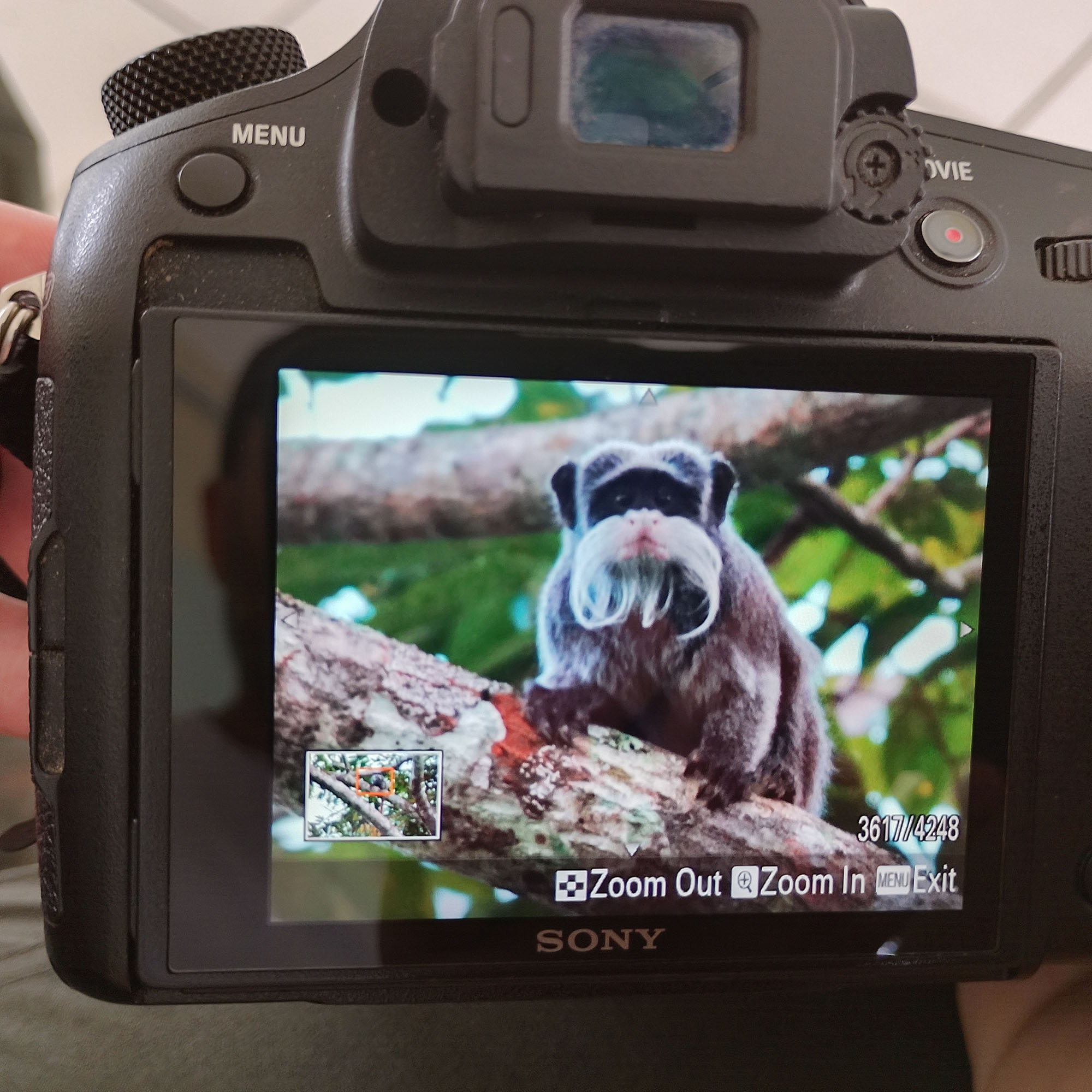
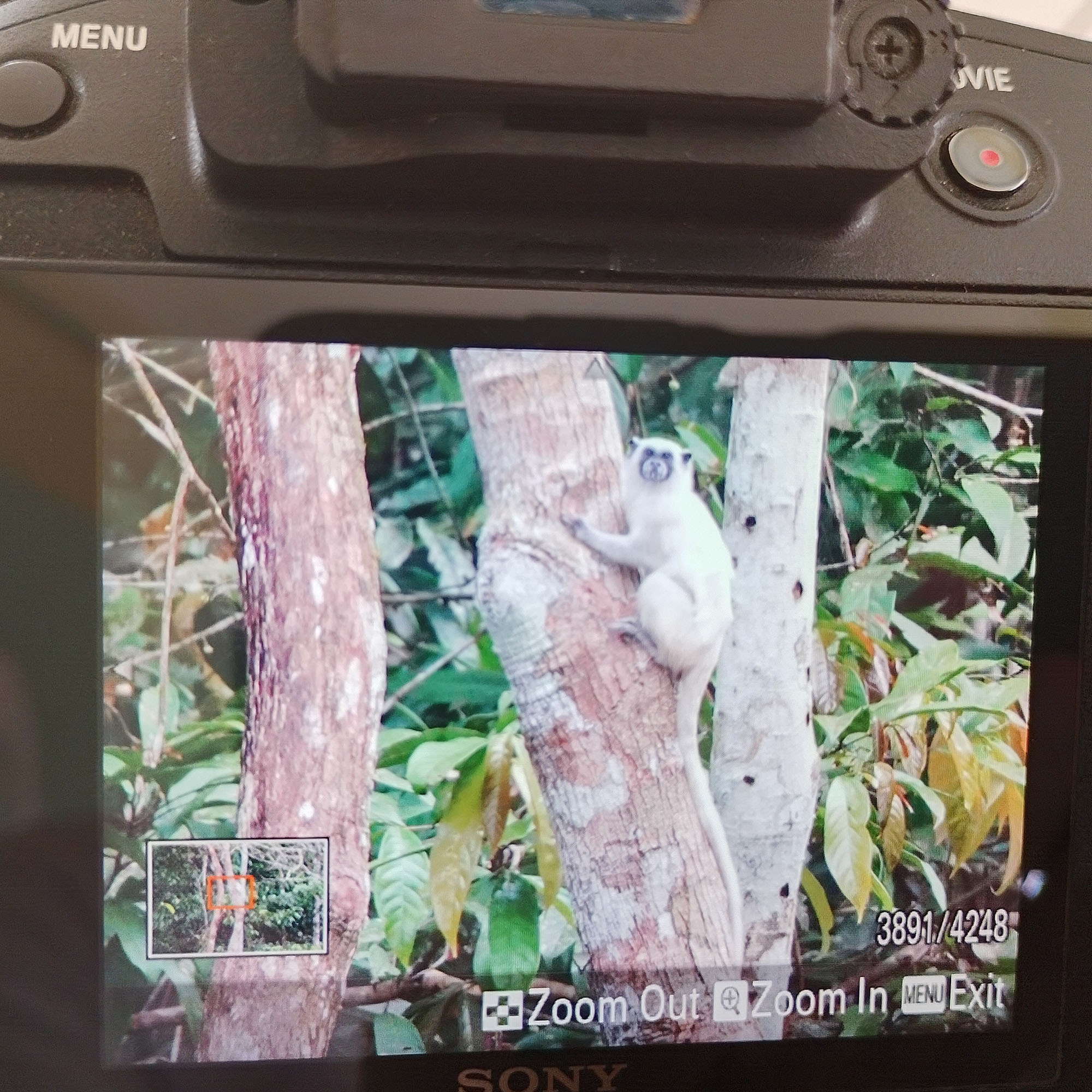
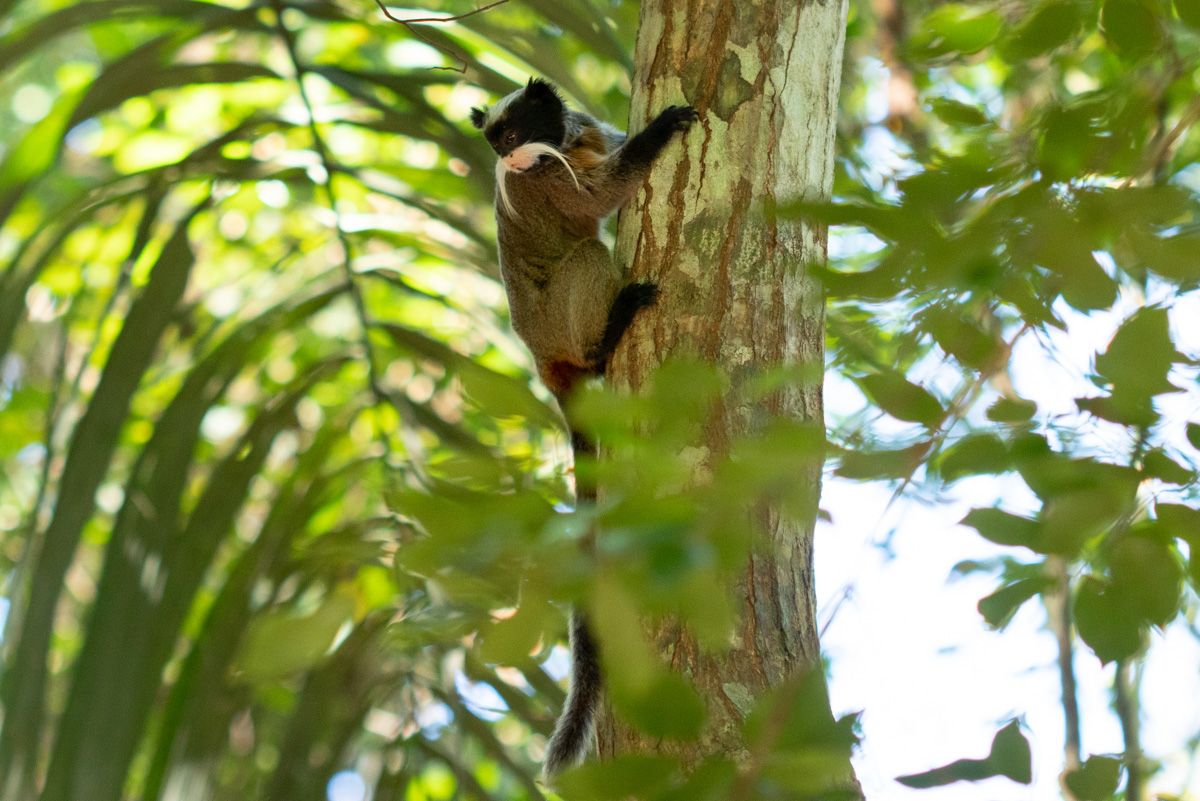
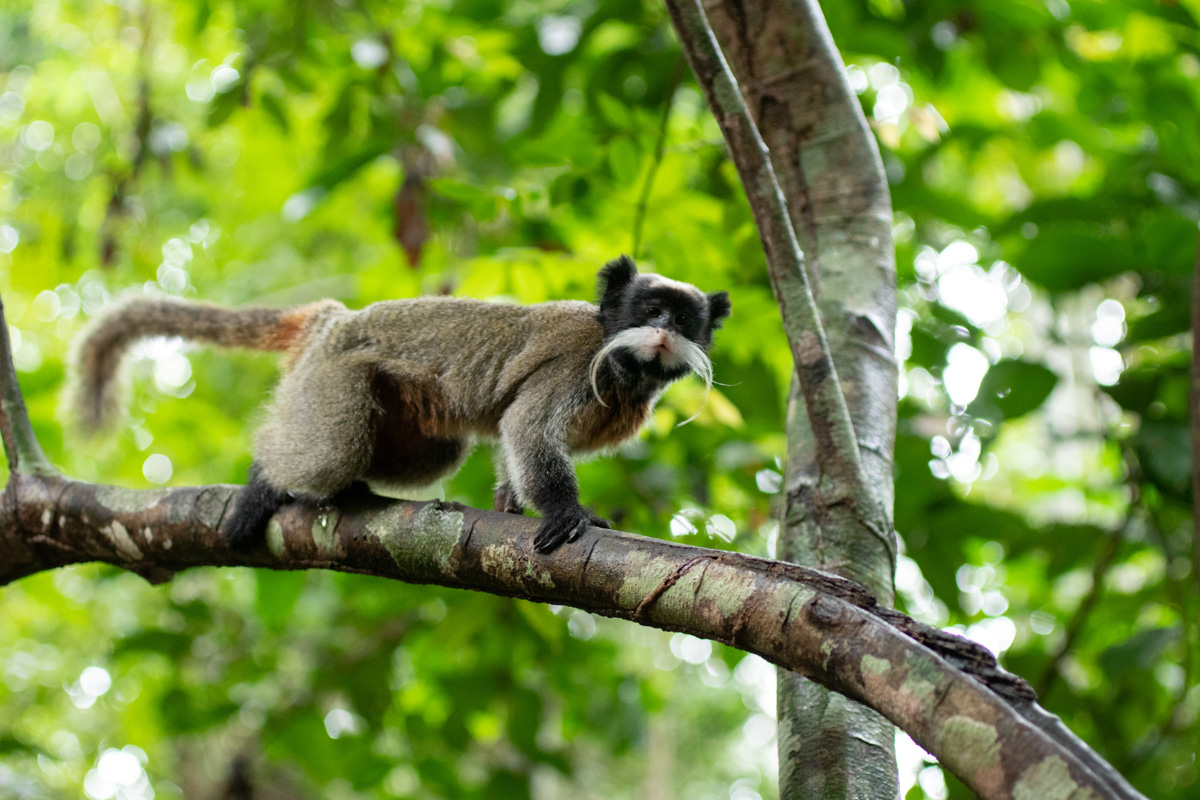
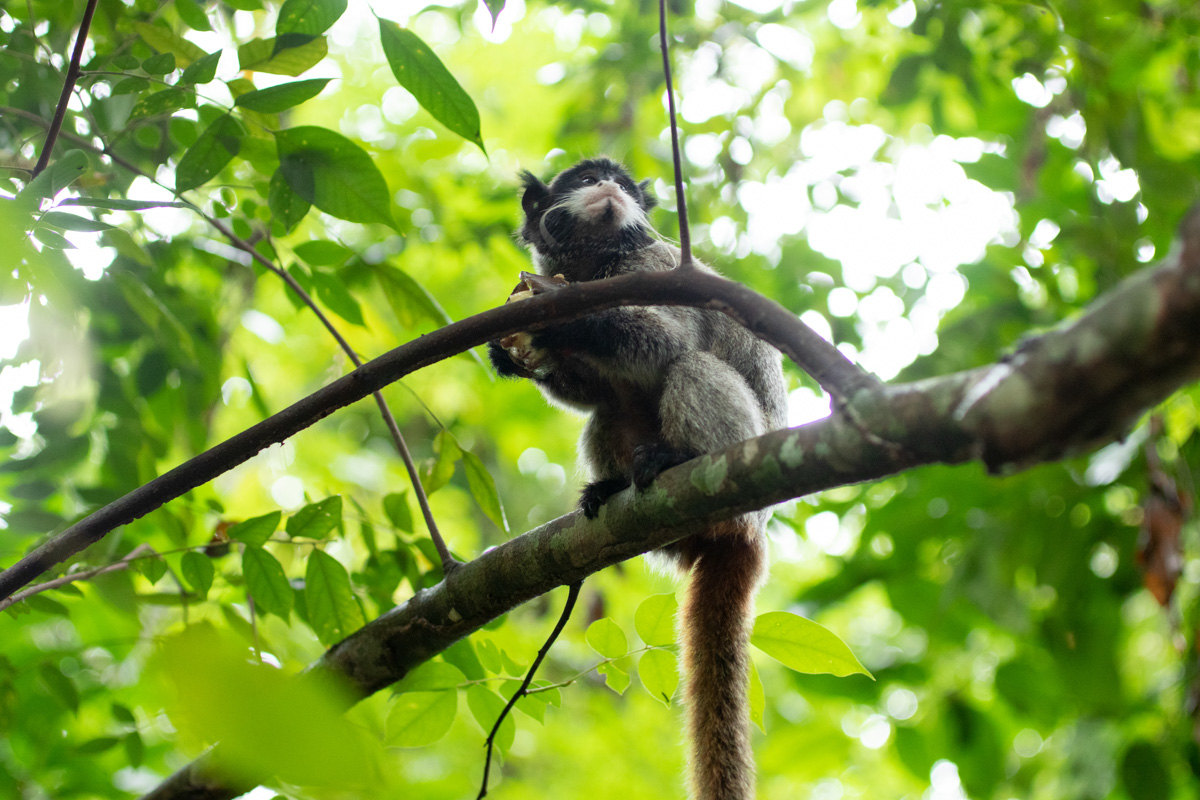
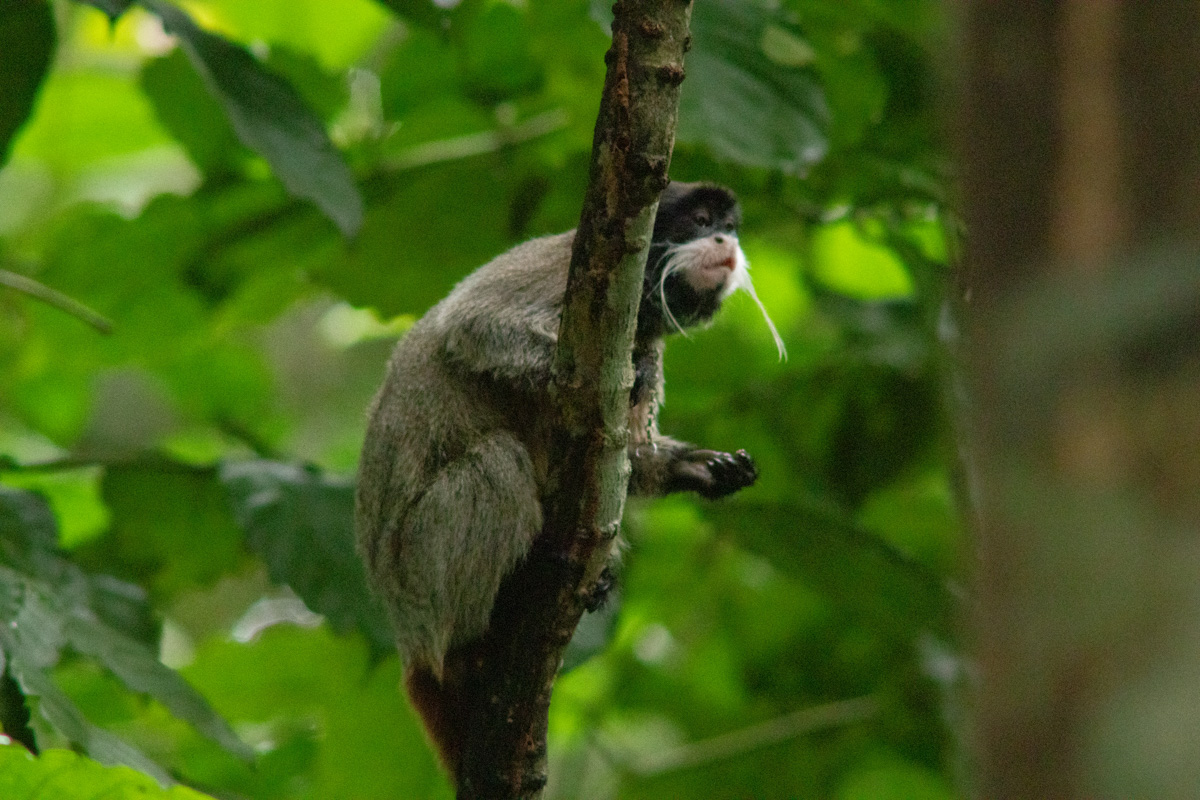
Our main objective in Feijó is to photograph the Tamarinus subgrisescens and the Leontocebus weddelli melanoleucus. We will be staying at the Pousada do Açaí, and the Emperor Tamarin is often seen in a forest behind the lodge in the morning.
Below is a list of the species we will see in Feijó, categorized by their difficulty of spotting.
EASY LEVEL: WE GUARANTEE YOU WILL FIND THE SPECIES LISTED BELOW
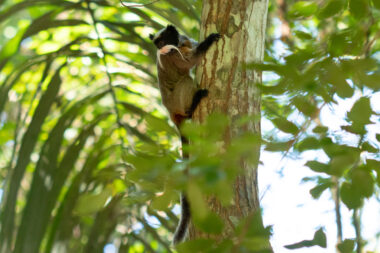
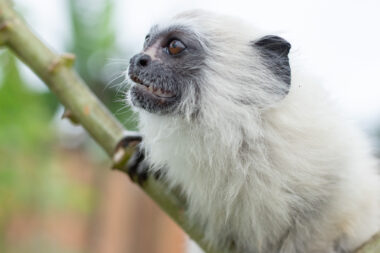
- Bearded Emperor Tamarin – Tamarinus subgrisescens;
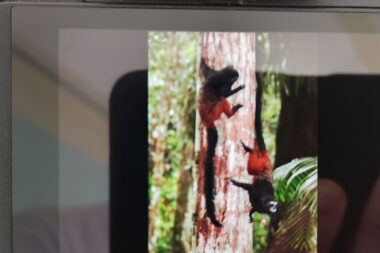
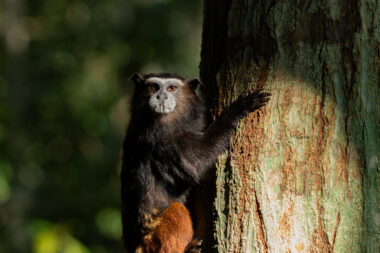
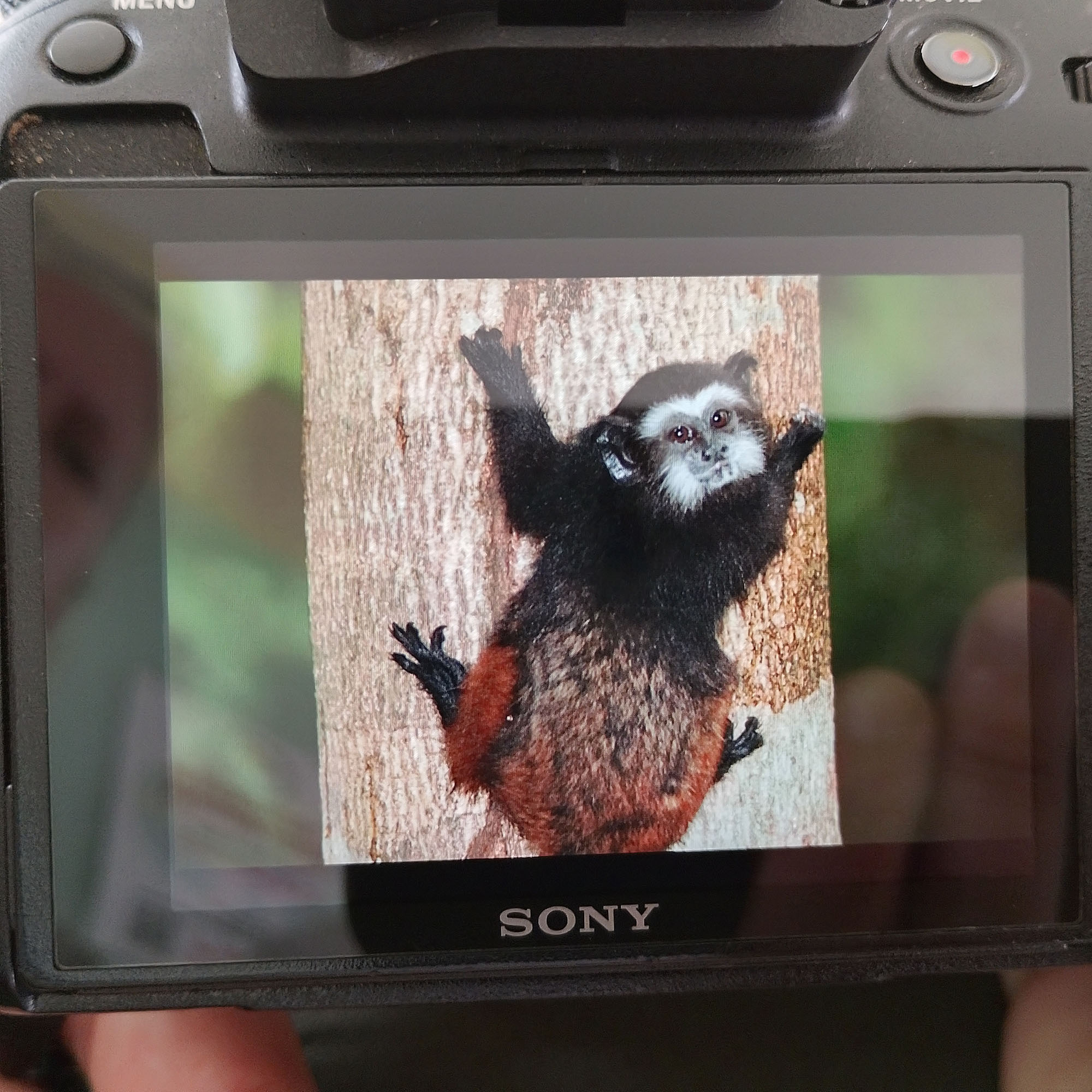
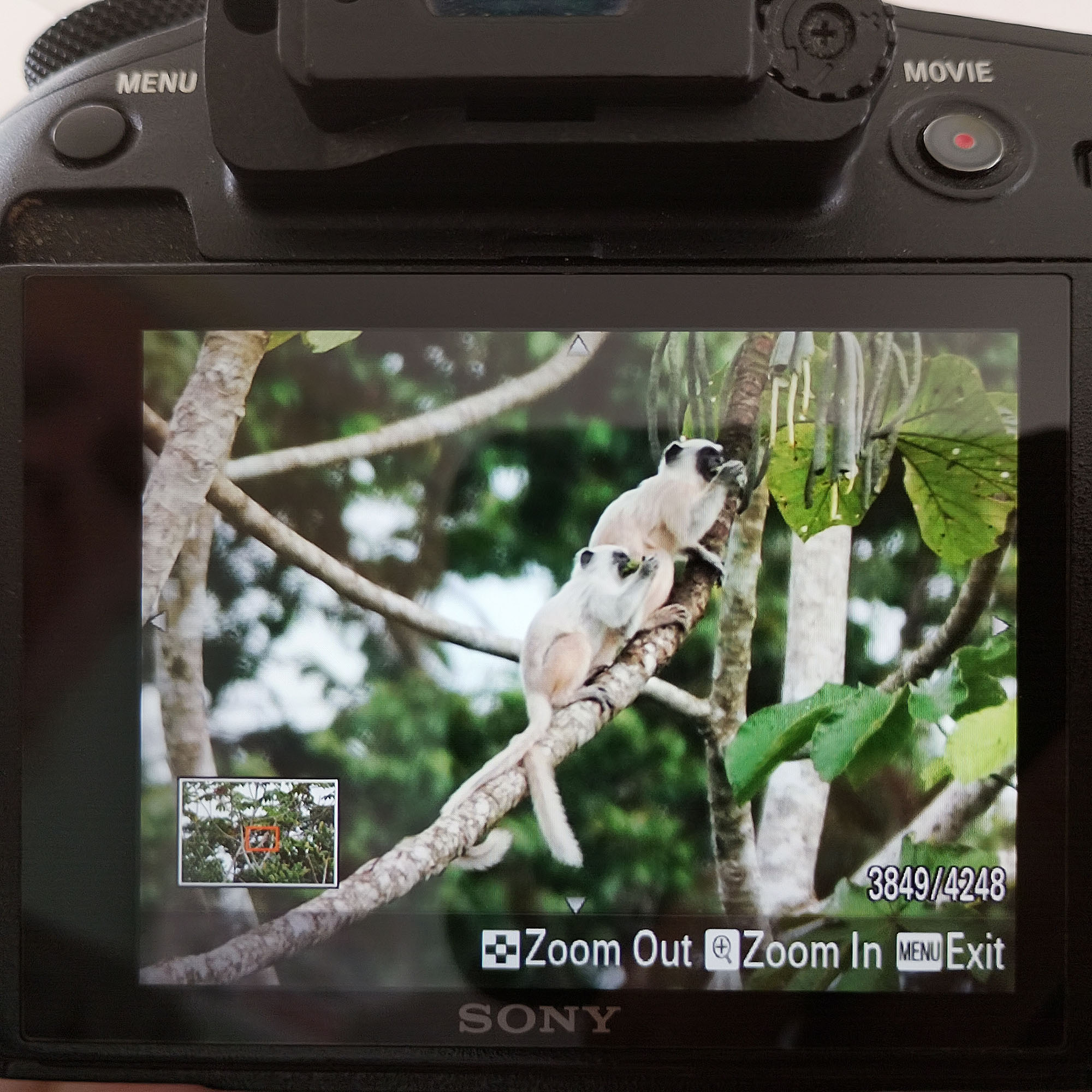
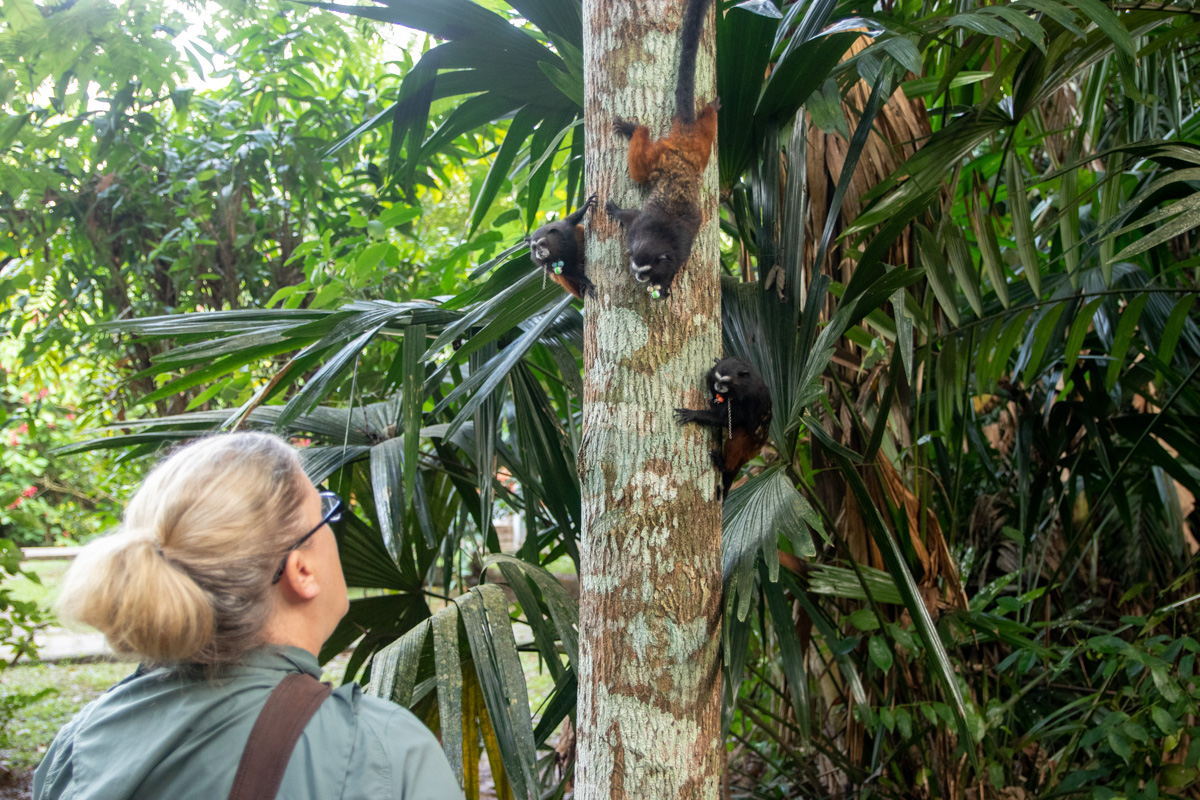
- White Saddle-back Tamarin – Leontocebus melanoleucus;
MEDIUM LEVEL – GOOD CHANCE OF FINDING THE SPECIES, BUT NOT GUARANTEED
- Black-headed Night Monkey – Aotus nigriceps;
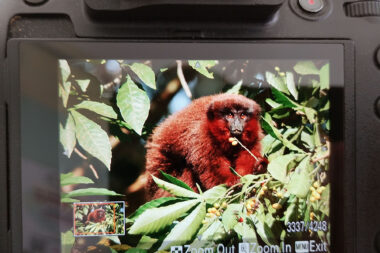
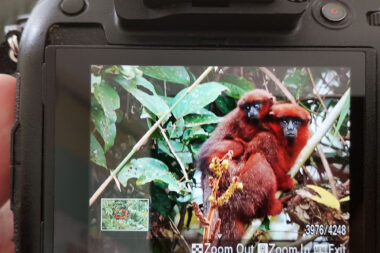
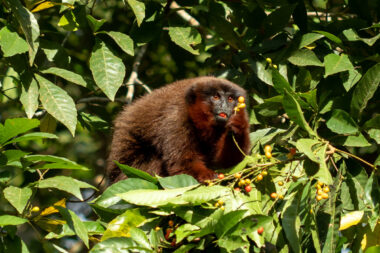
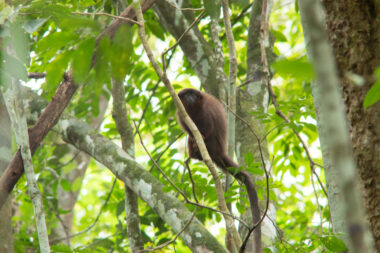
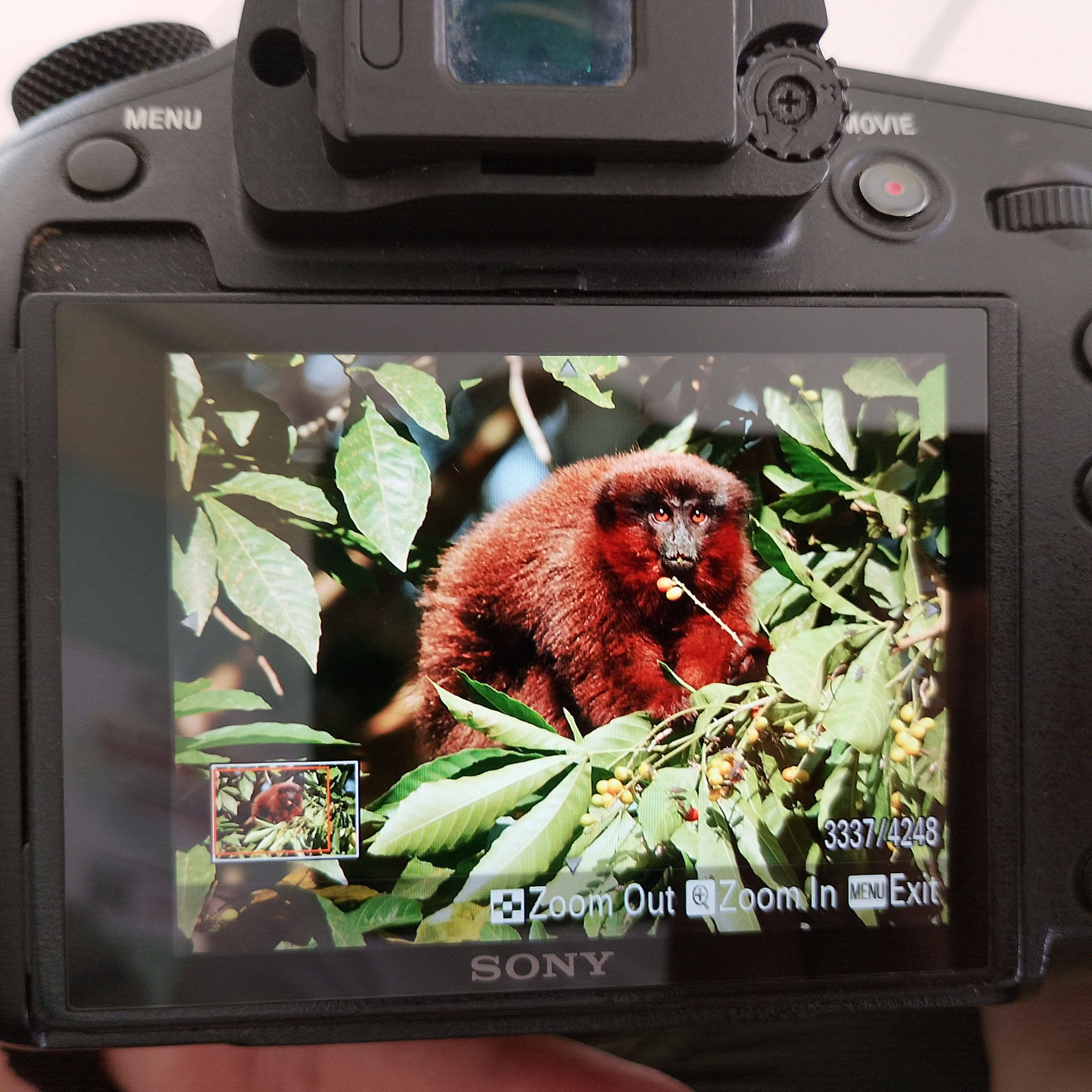
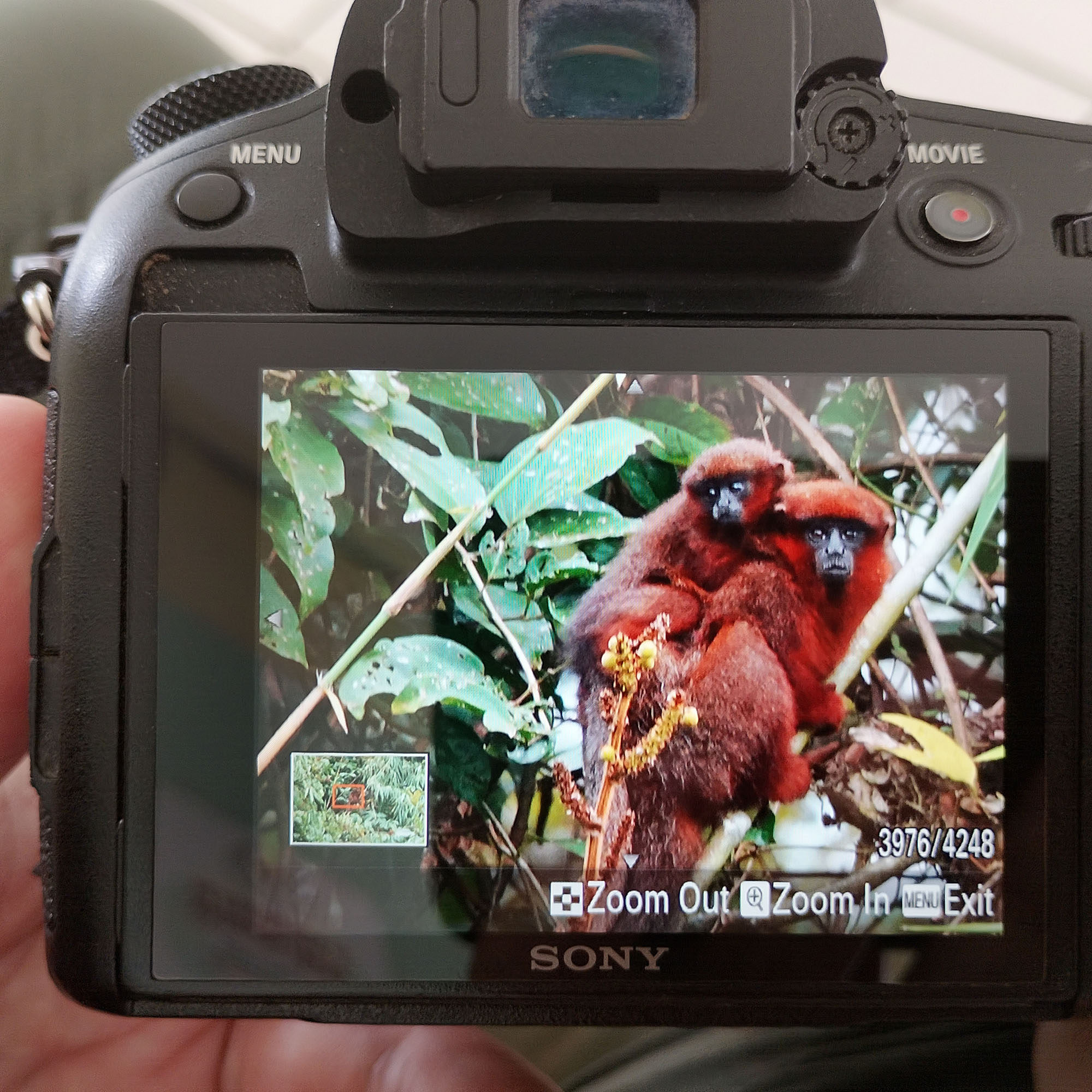
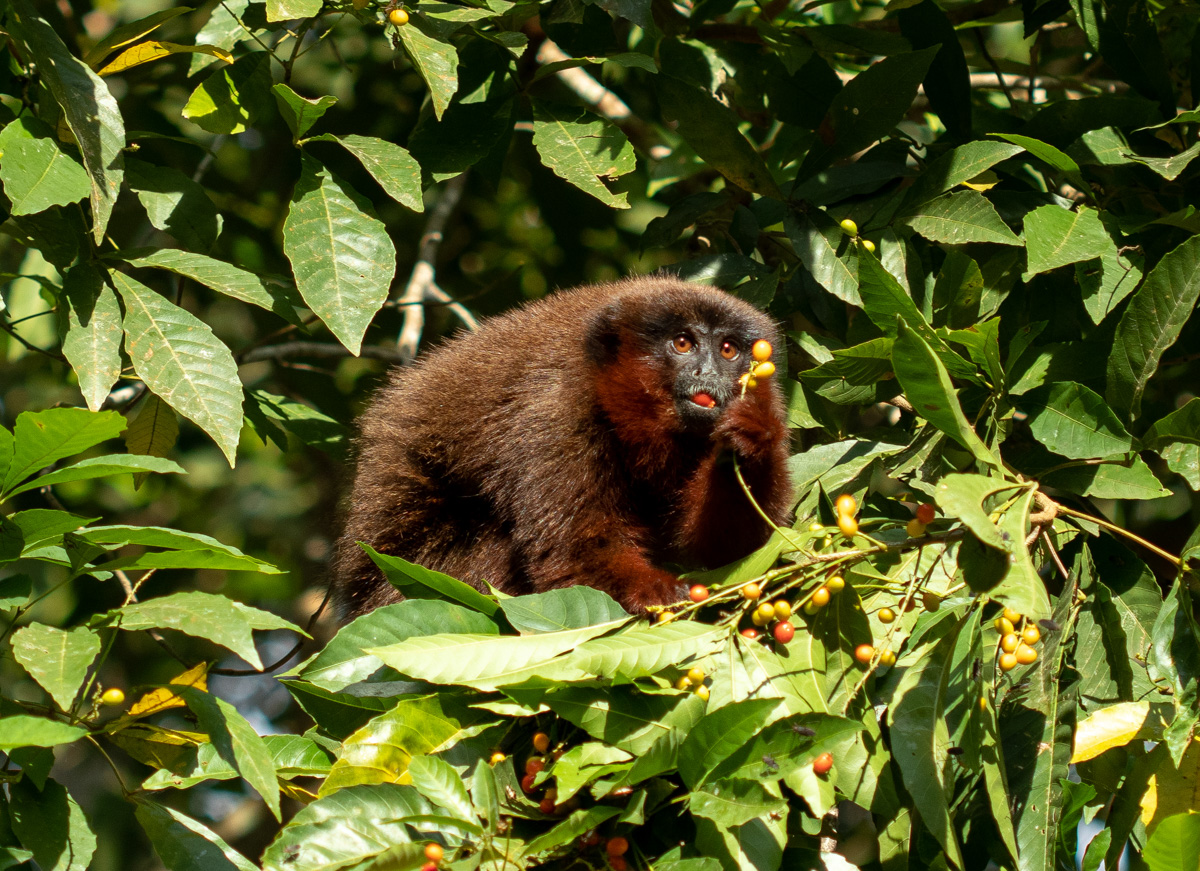
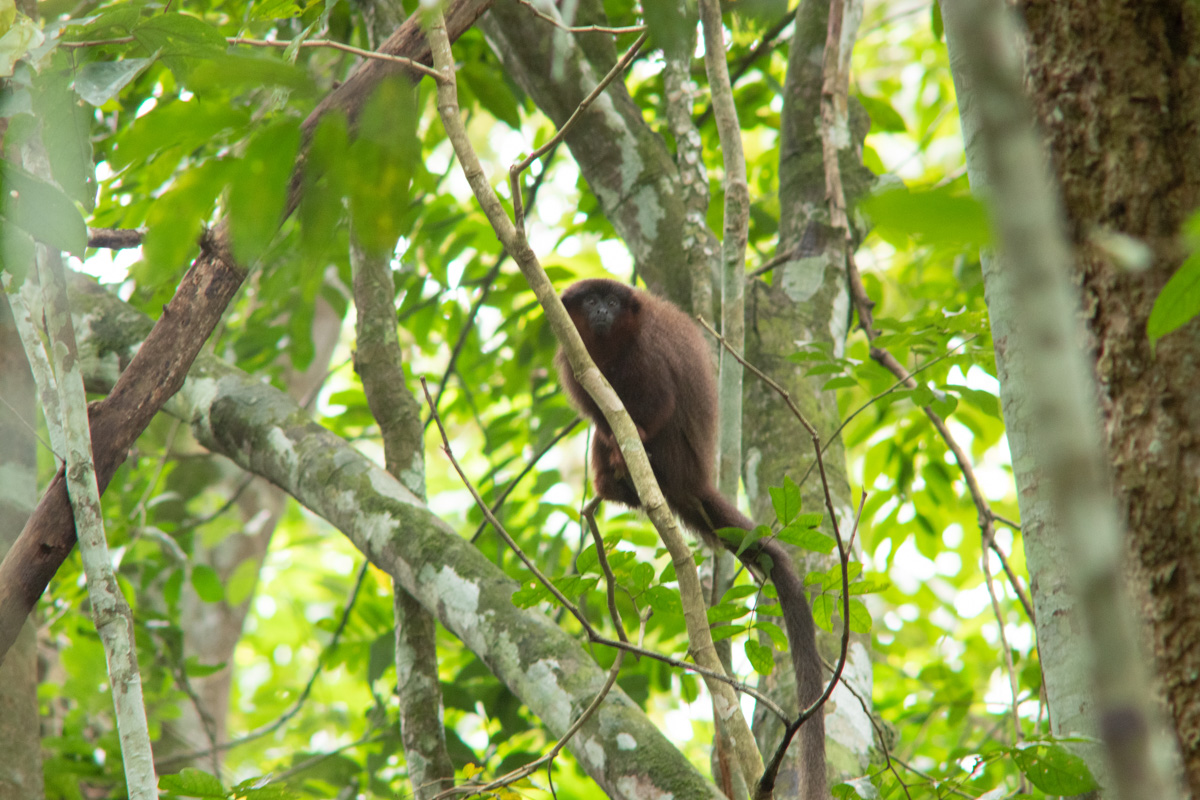
- Coppery Titi – Plecturocebus cupreus;
DIFFICULT LEVEL – MORE DIFFICULT SPECIES TO FIND, BUT STILL POSSIBLE
- Kanamari Bald Uakari – Cacajao amuna;
- Vanzolini’s Saki – Pithecia vanzolinii;
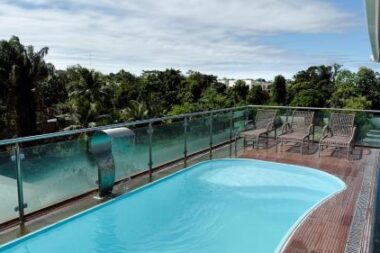
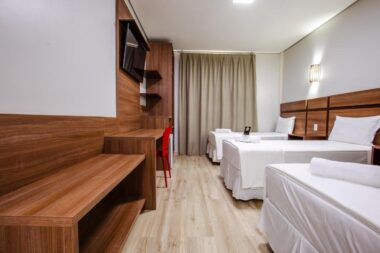
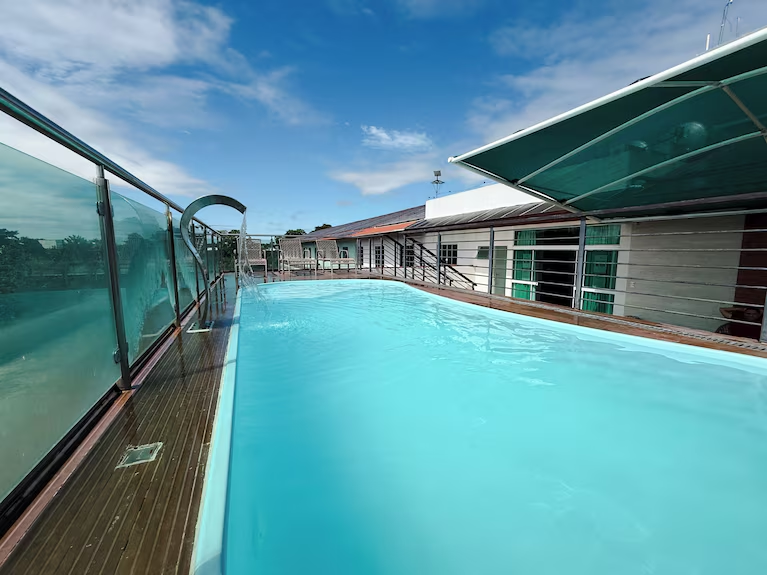
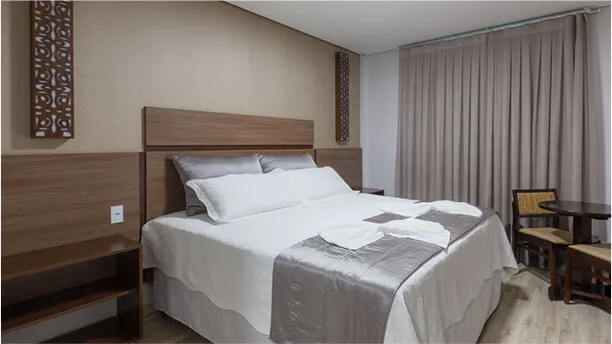
After 3 days in Feijó, we returned to Rio Branco, where we stayed at the Hotel Rede Andrade, located in Gameleira, in the center of Rio Branco. This section is simpler, as we’ll be searching for primates in patches of forest within the city, making them much easier to find and photograph, since the animals are accustomed to the presence of humans, even in their natural habitat.
Below is a list of the species we’ll see in Rio Branco, categorized by difficulty.
EASY LEVEL: WE GUARANTEE YOU WILL FIND THE SPECIES BELOW
- Black-chinned Emperor Tamarin – Tamarinus imperator;
- Weddell’s Saddle-back Tamarin – Leontocebus weddelli;
- Toppin’s Titi – Plecturocebus toppini;
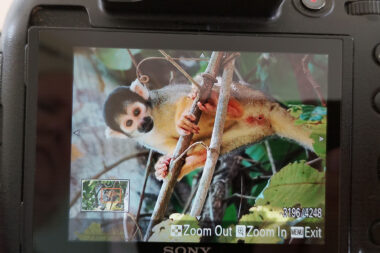
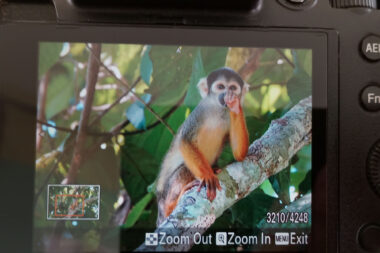
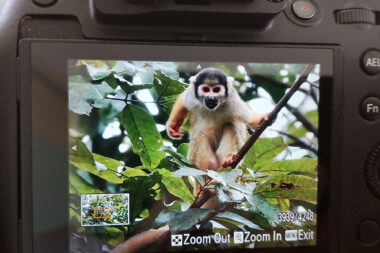
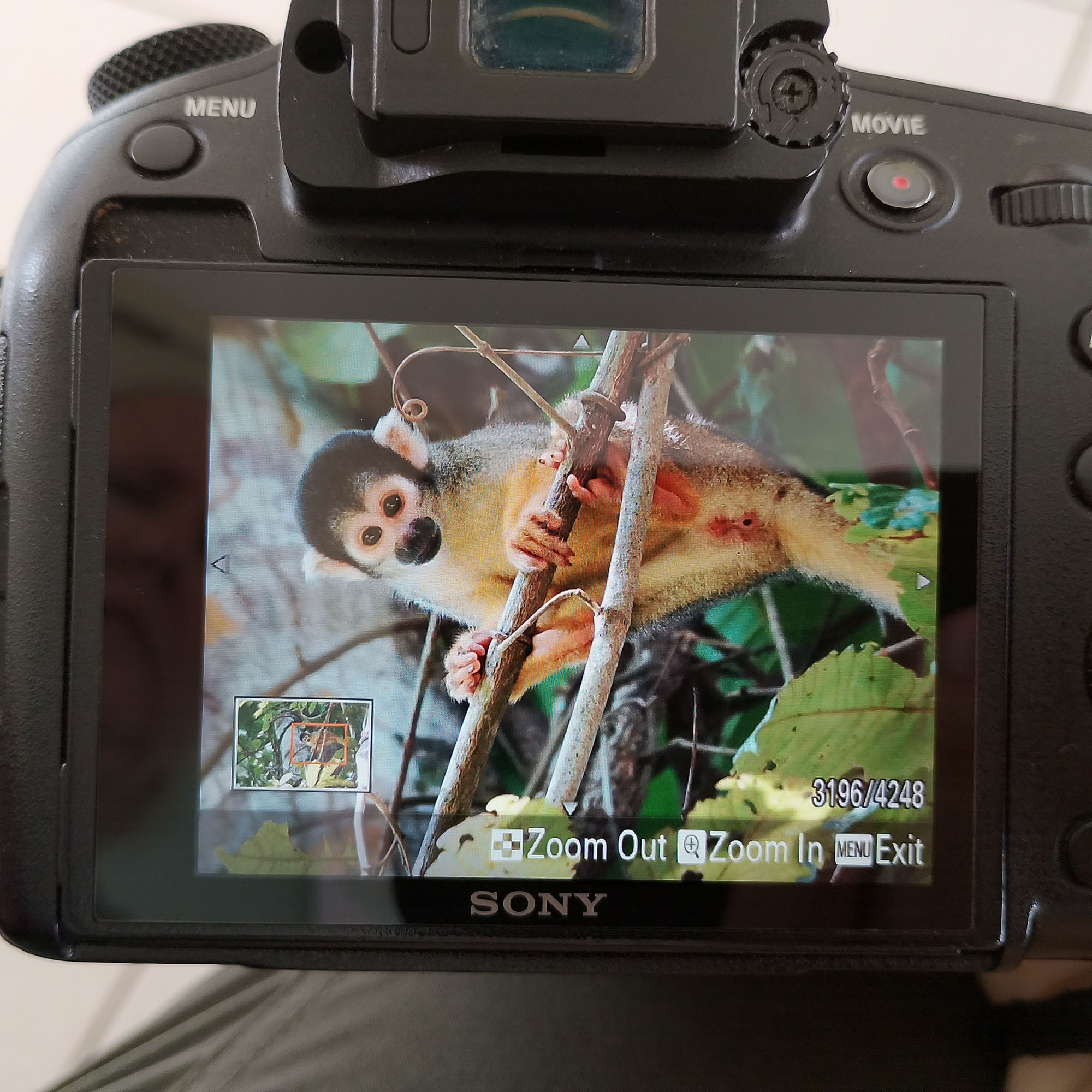
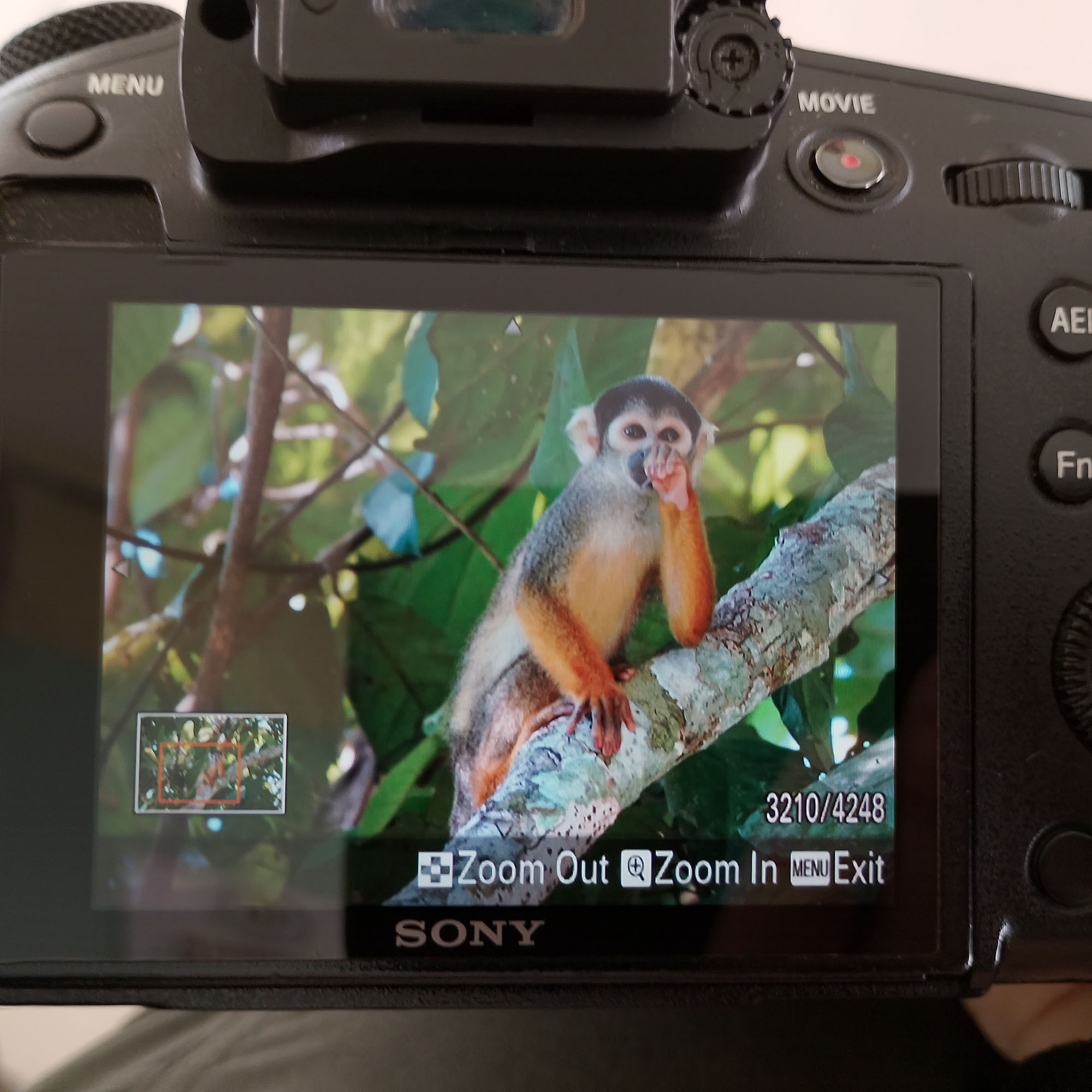
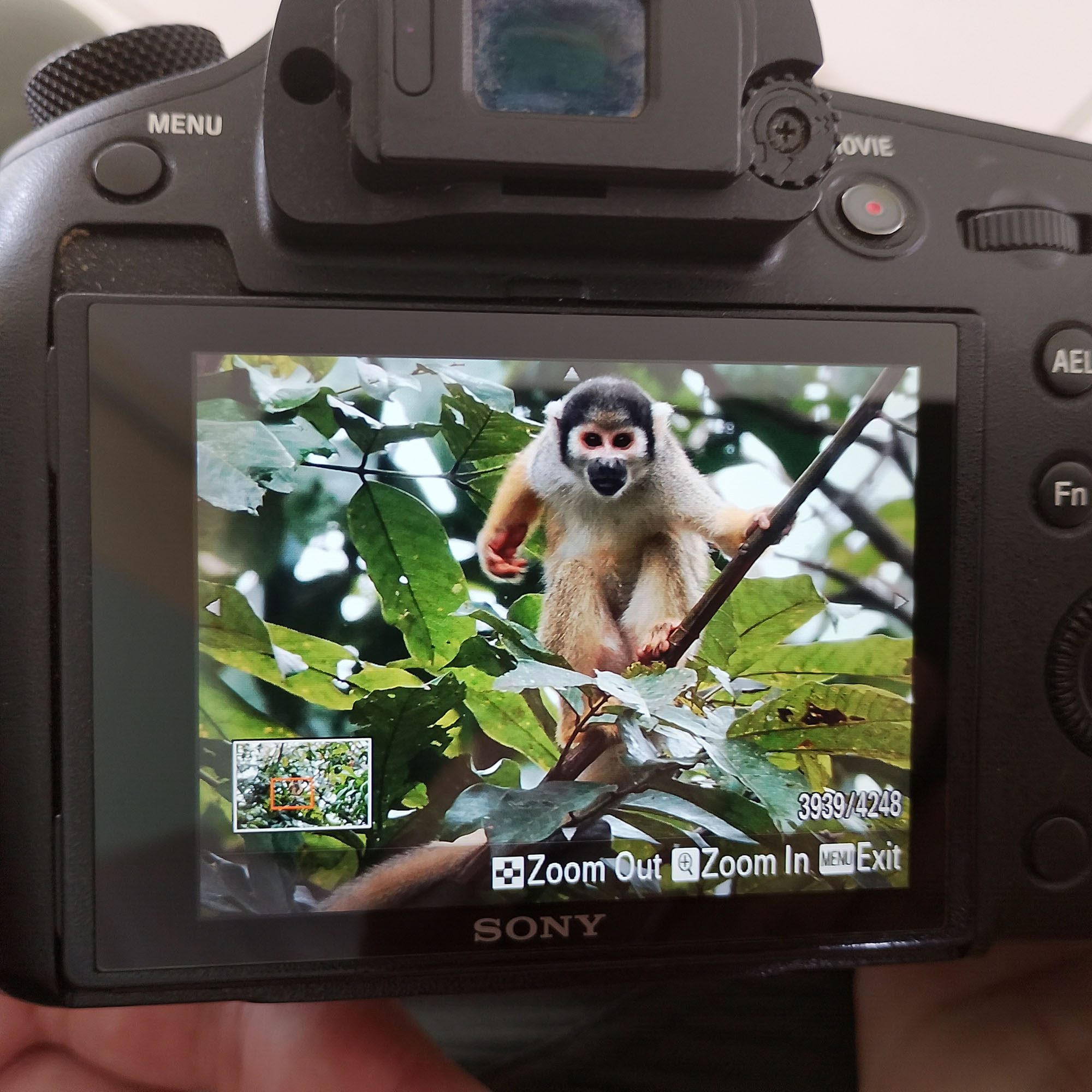
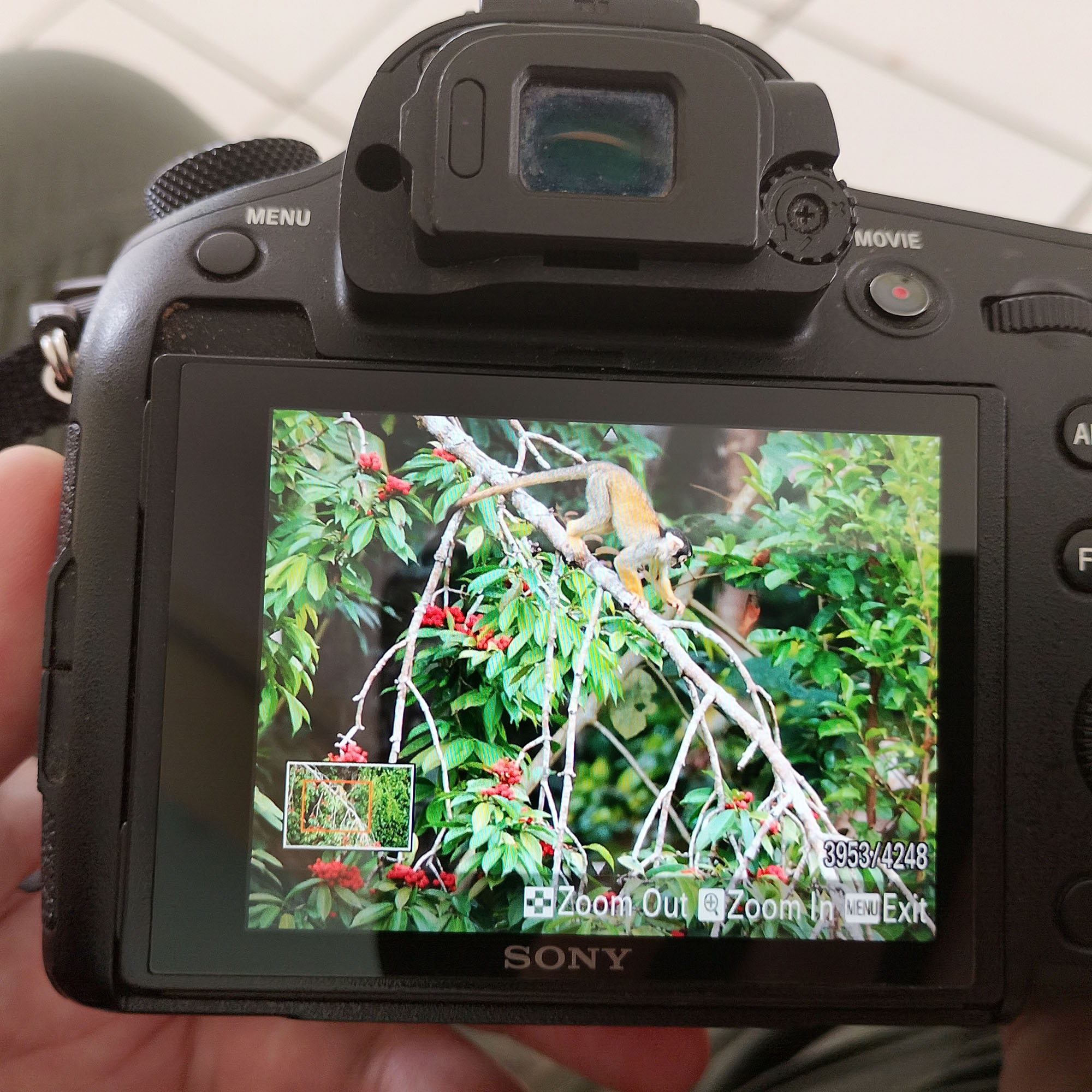
- Black-capped Squirrel Monkey – Saimiri boliviensis;
MEDIUM LEVEL – GOOD CHANCE OF FINDING THE SPECIES, BUT NOT GUARANTEED
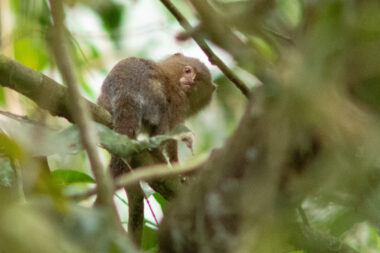
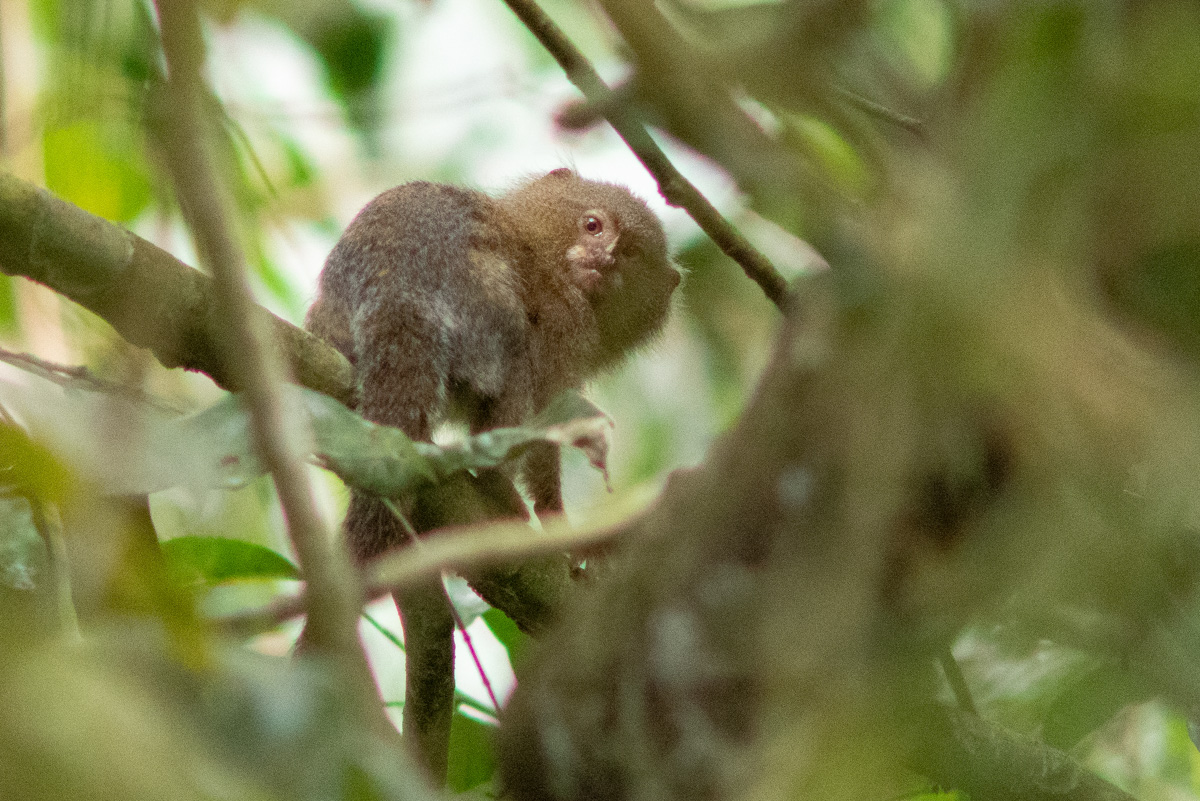
- Southern Pygmy Marmoset – Cebuella niveiventris;
- Goeldi’s Monkey – Callimico goeldii;
- Gray’s Bald-faced Saki – Pithecia irrorata;
- Red-bellied Tamarin – Tamarinus labiatus;
DIFFICULT LEVEL – SPECIES THAT ARE HARDER TO FIND, BUT STILL HAVE A CHANCE
- Black-headed Night Monkey – Aotus nigriceps;
The expedition is organized by photographer and wildlife filmmaker Rafael Guadeluppe, founder of the video production company Latin Wild Films and author of the documentary about the Atlantic Forest “The Pulse of the Atlantic Forest”.
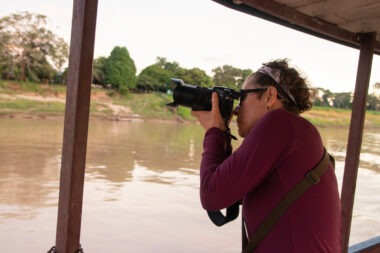
This is an expedition for those who love nature and are willing to hike through the forest to have the privilege of seeing rare and iconic animals in their natural habitat. Many people ask if you need to be a photographer or biologist to participate in our expeditions, and the answer is a resounding no.
It can be done by all ages; the trails are flat, and you don’t need to walk far to see the animals.
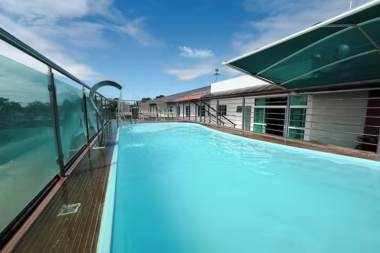
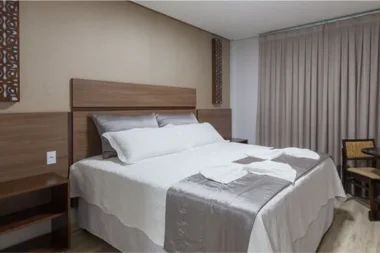
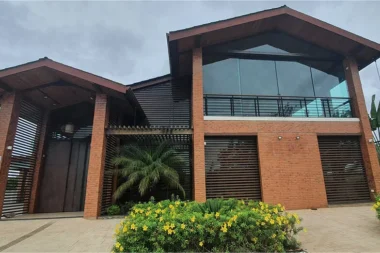
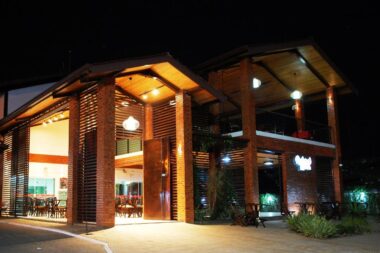
HOTELS
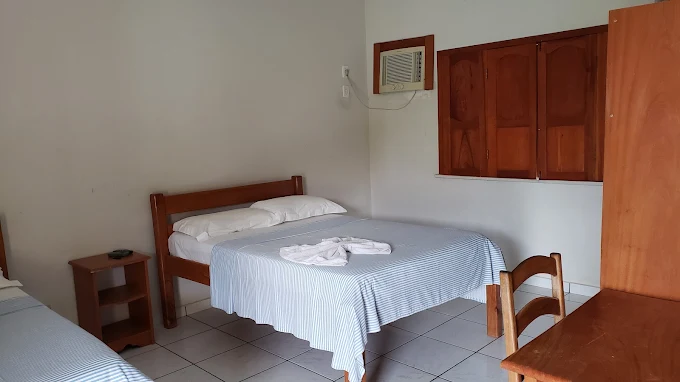
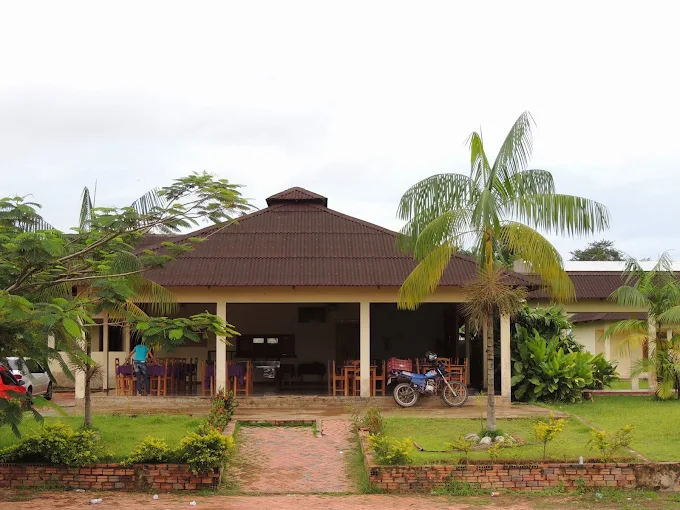
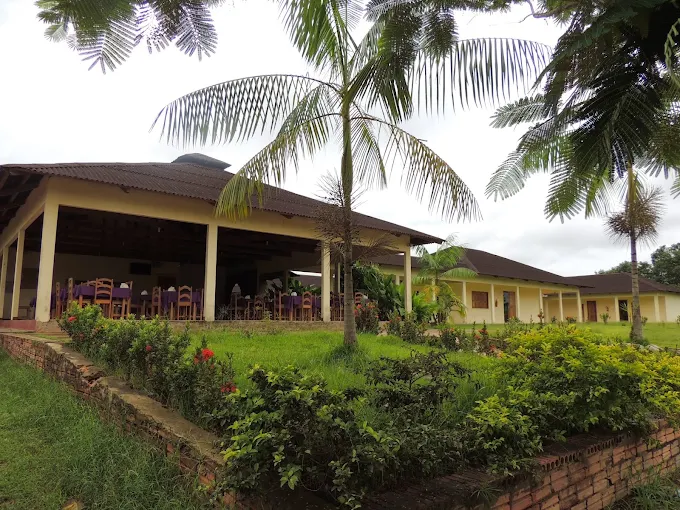
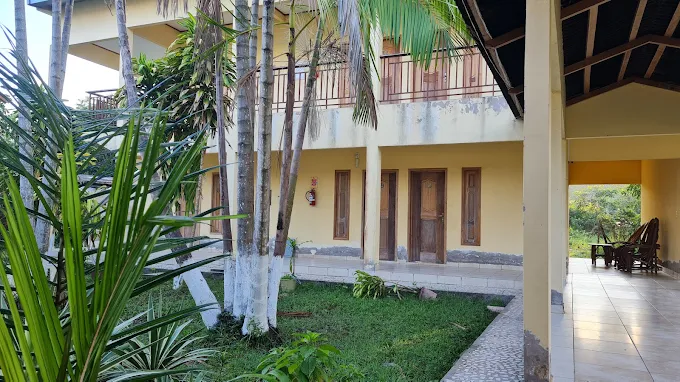
In the city of FEIJÓ we will stay at POUSADA DO AÇAÍ
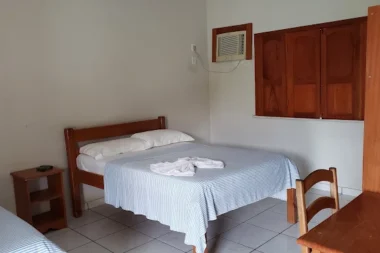
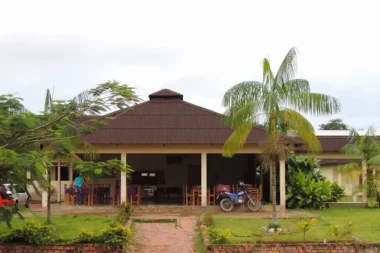
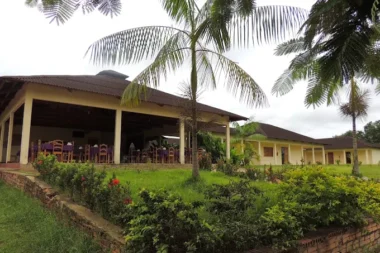
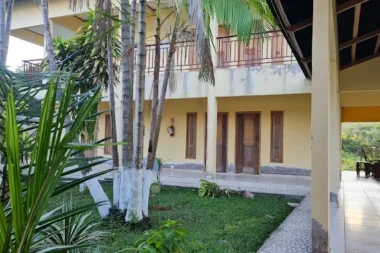
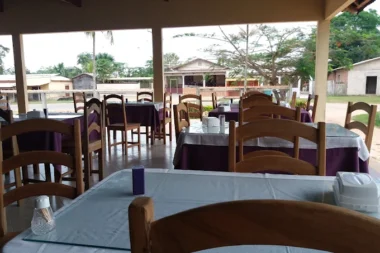
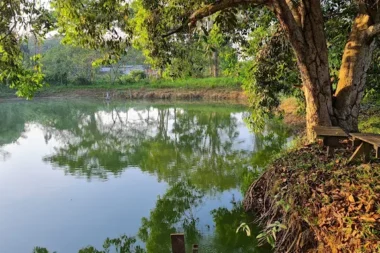
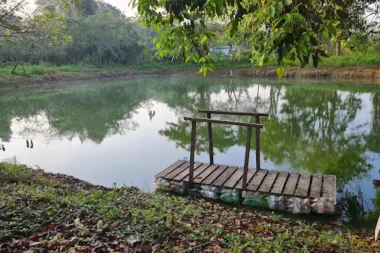
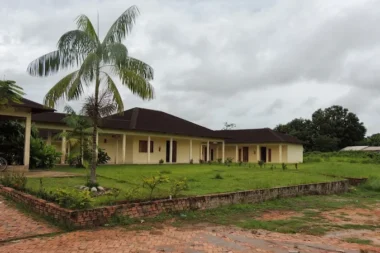
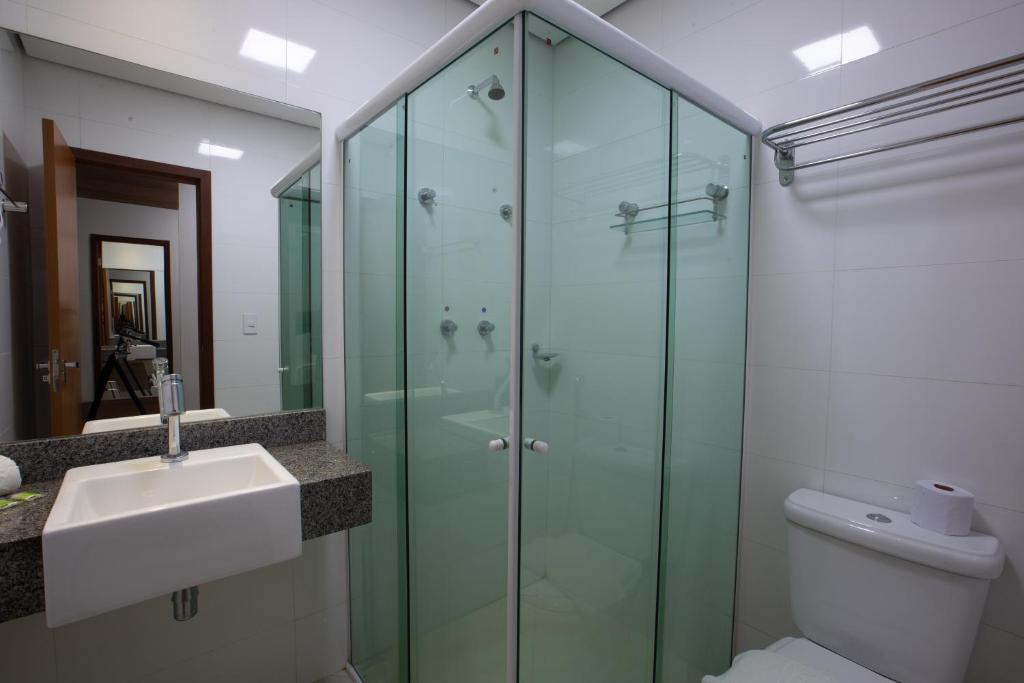
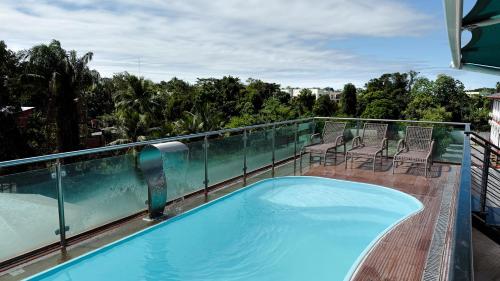
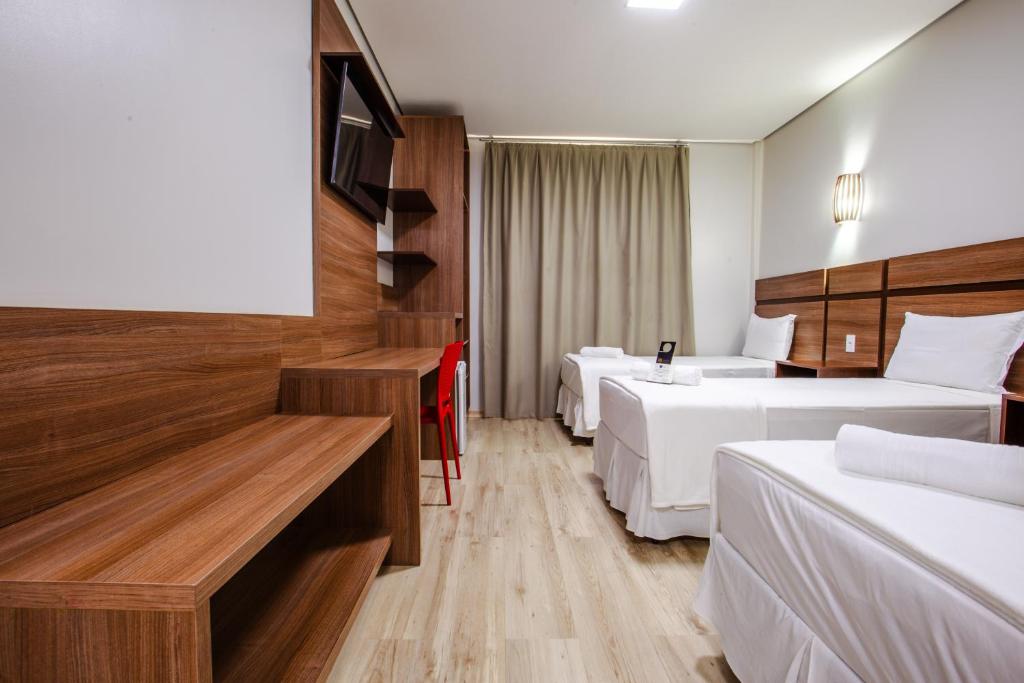
In the city of RIO BRANCO, we will stay at the HOTEL REDE ANDRADE



ROUTE MAP




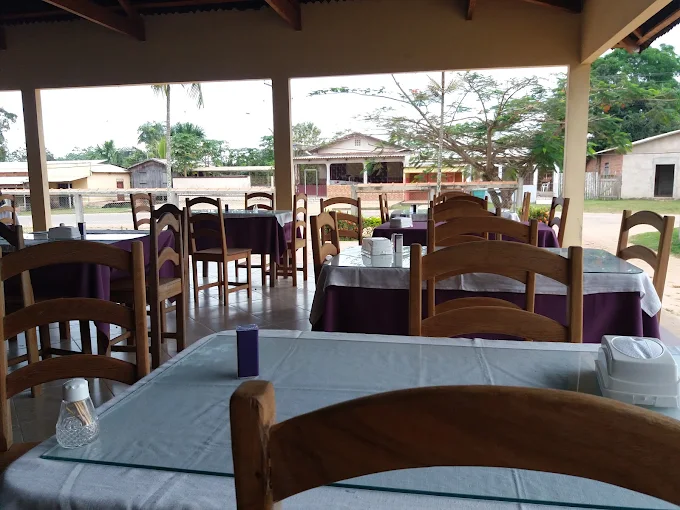
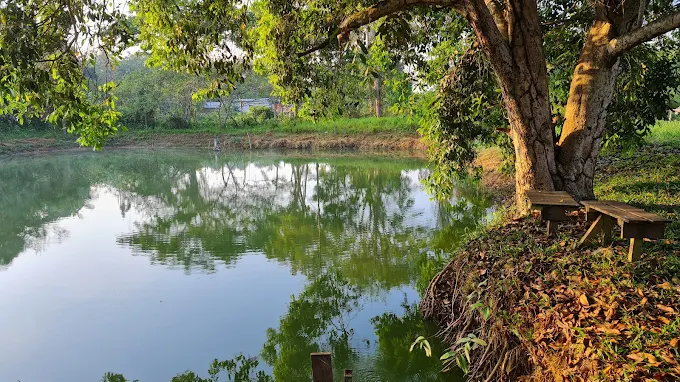
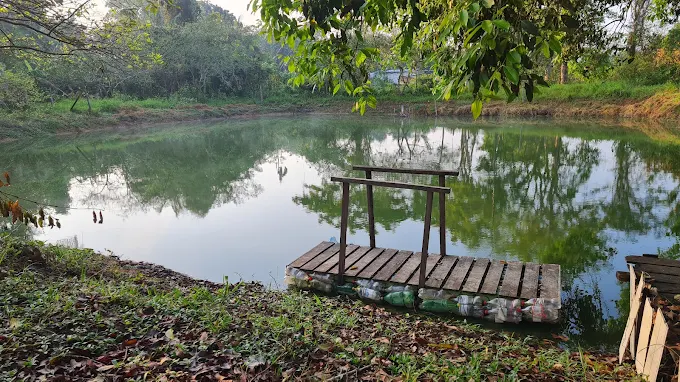
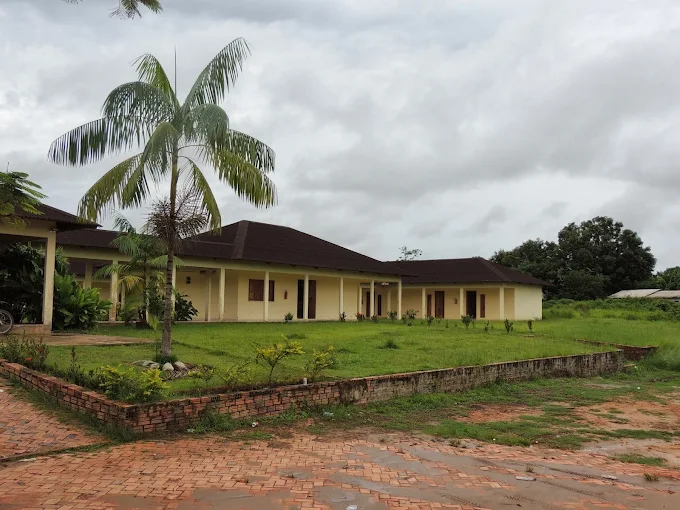

DAY BY DAY
Day 1 – Travel from Rio Branco to Feijó
We leave Rio Branco at 9:00 am to Feijó. The distance between both cities is 369 km and the journey takes approximately 8 hours, as the road is in very bad condition. We will have lunch during the trip.
We will arrive at Feijó at around 6:00 pm, where we will stay at Pousada do Açaí.
Day 2 – Sendero in Shanunawa Village
We got up very early to look for Tamarino Emperador Barbudo behind our hostel. There is a family of tamarinos that always passes by every morning; he has been there several times and always seen him crossing the street, sometimes great for photos and sometimes not so much; I have to have luck, but it’s always there.
Afterwards we said goodbye around 7:30 a.m. m. We headed to the village of Shanunawa, located about 10 km from the city, on the banks of the Envira River. There we have an indigenous guide who knows well the habits of primates; The main objective here is to see Tamarinus subgrisescens and Leontocebus weddelli melanoleucus. It is a very extensive area with many paths; We will spend the day there and hope to see other species too.
Day 3 – Envira River
We got up very early to look for Tamarino Emperador Barbudo behind our hostel. There is a family of tamarinos that always passes by every morning; he has been there several times and always seen him crossing the street, sometimes great for photos and sometimes not so much; I have to have luck, but I’m always around.
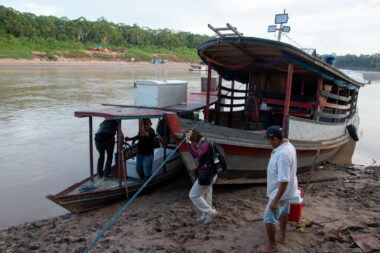
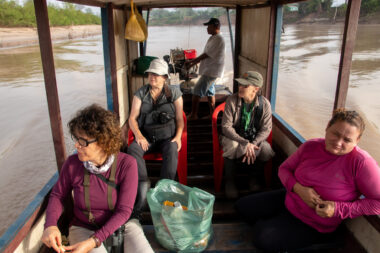
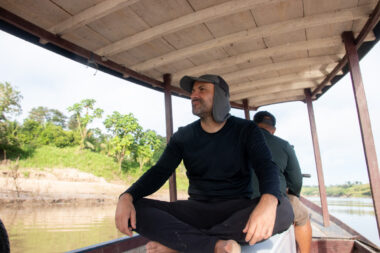
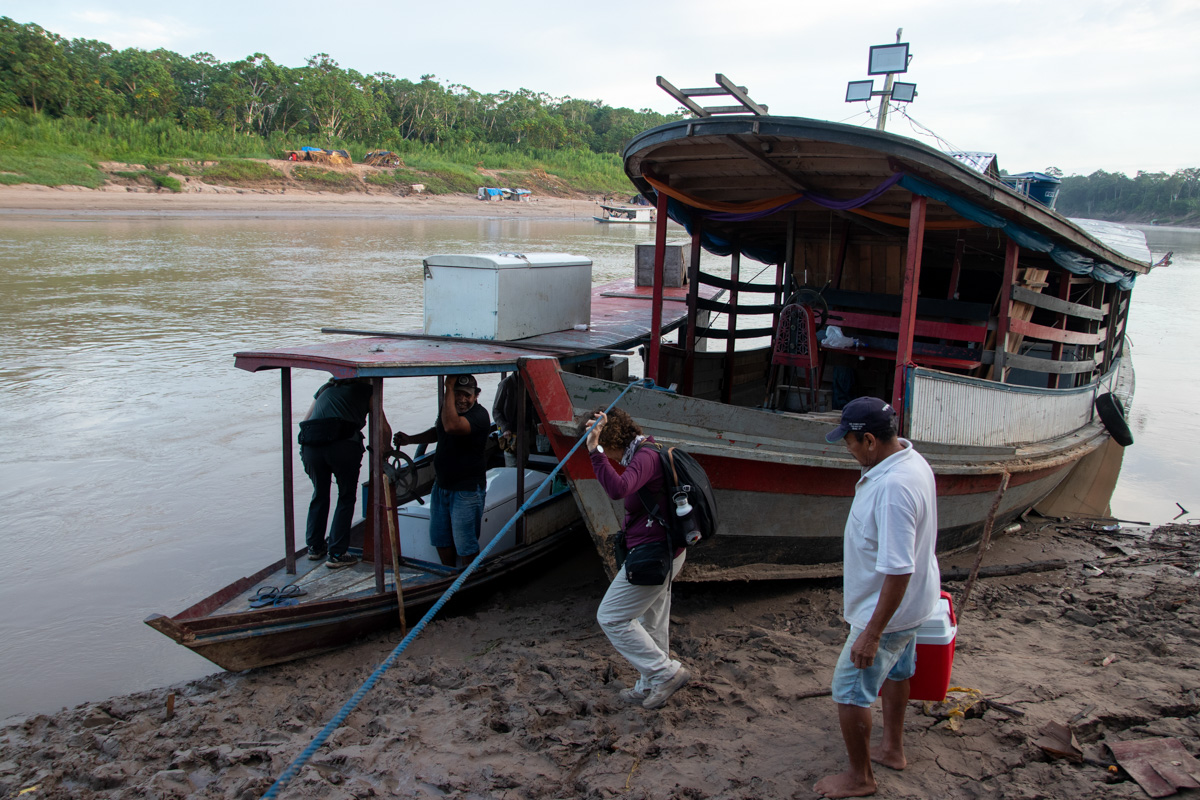
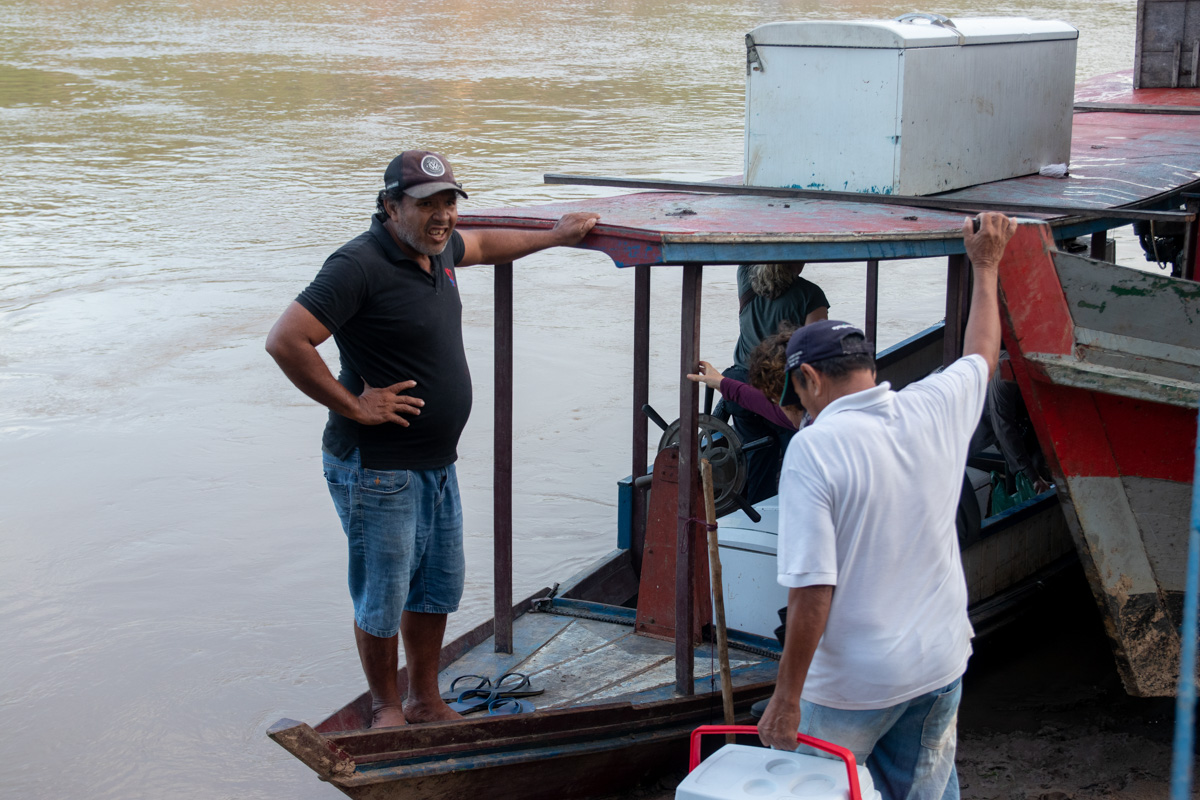
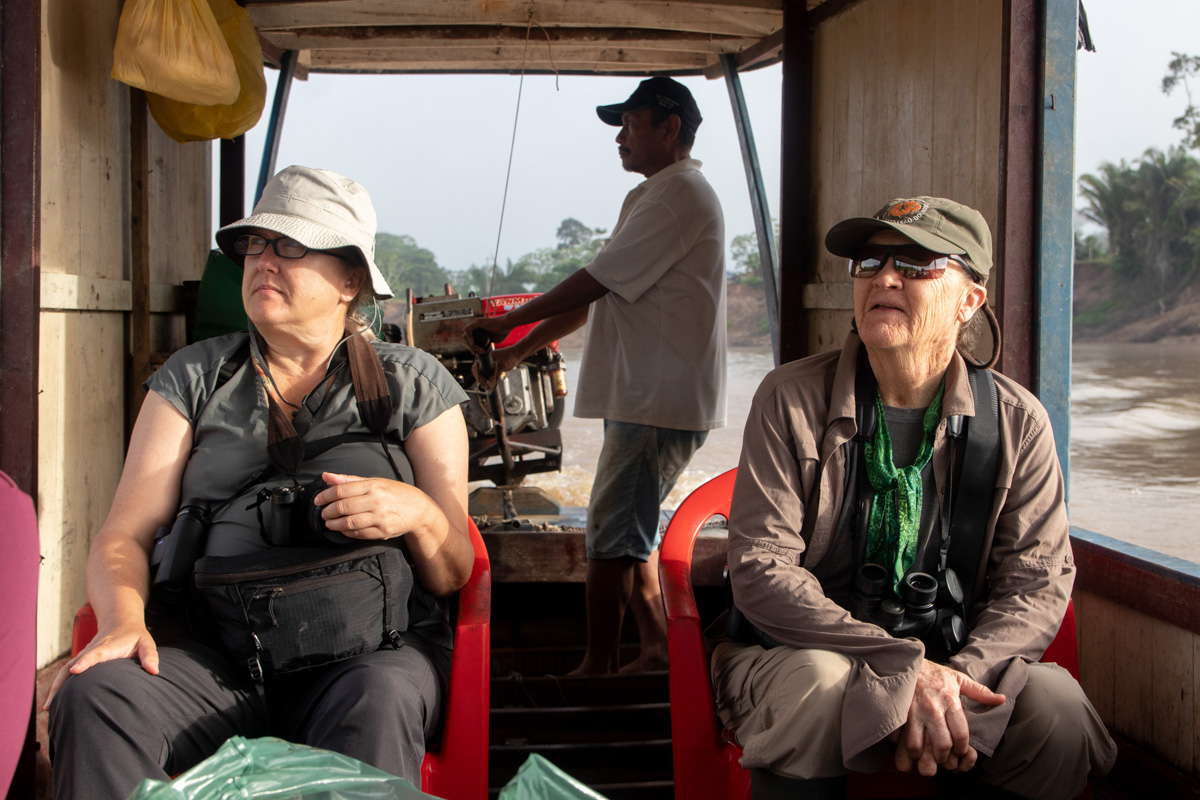
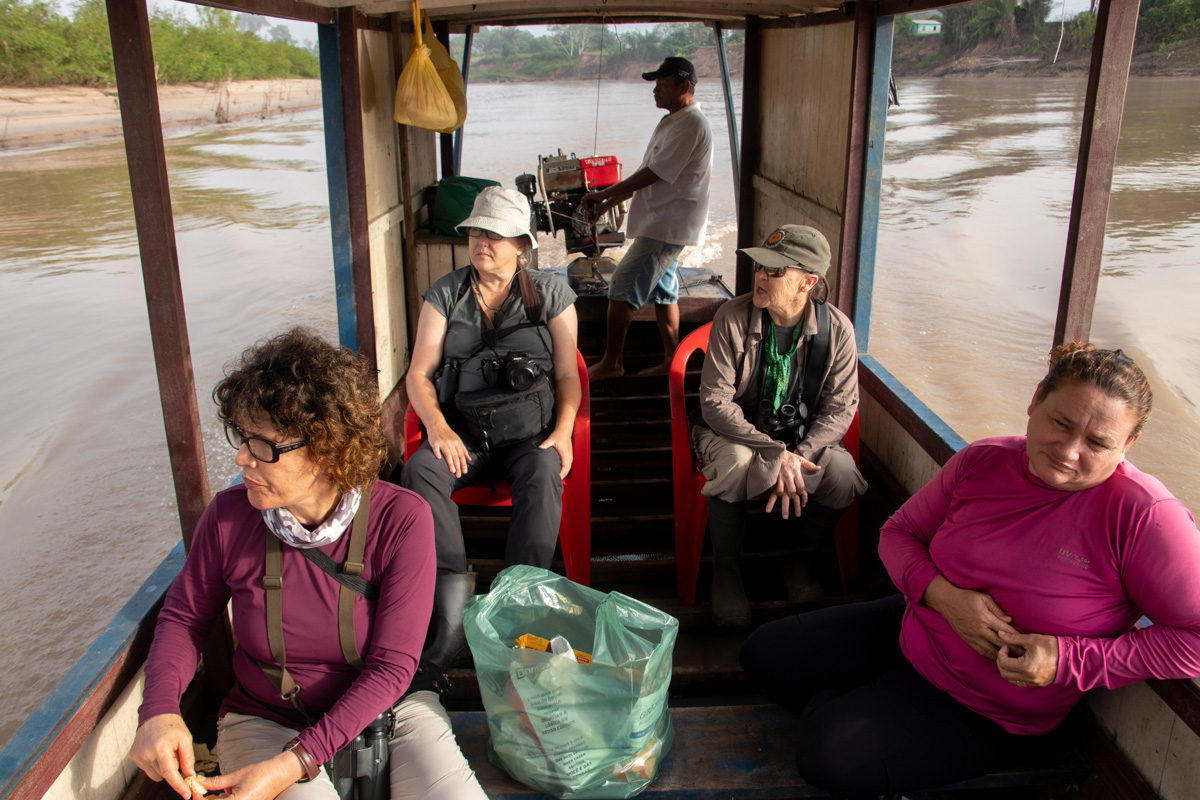
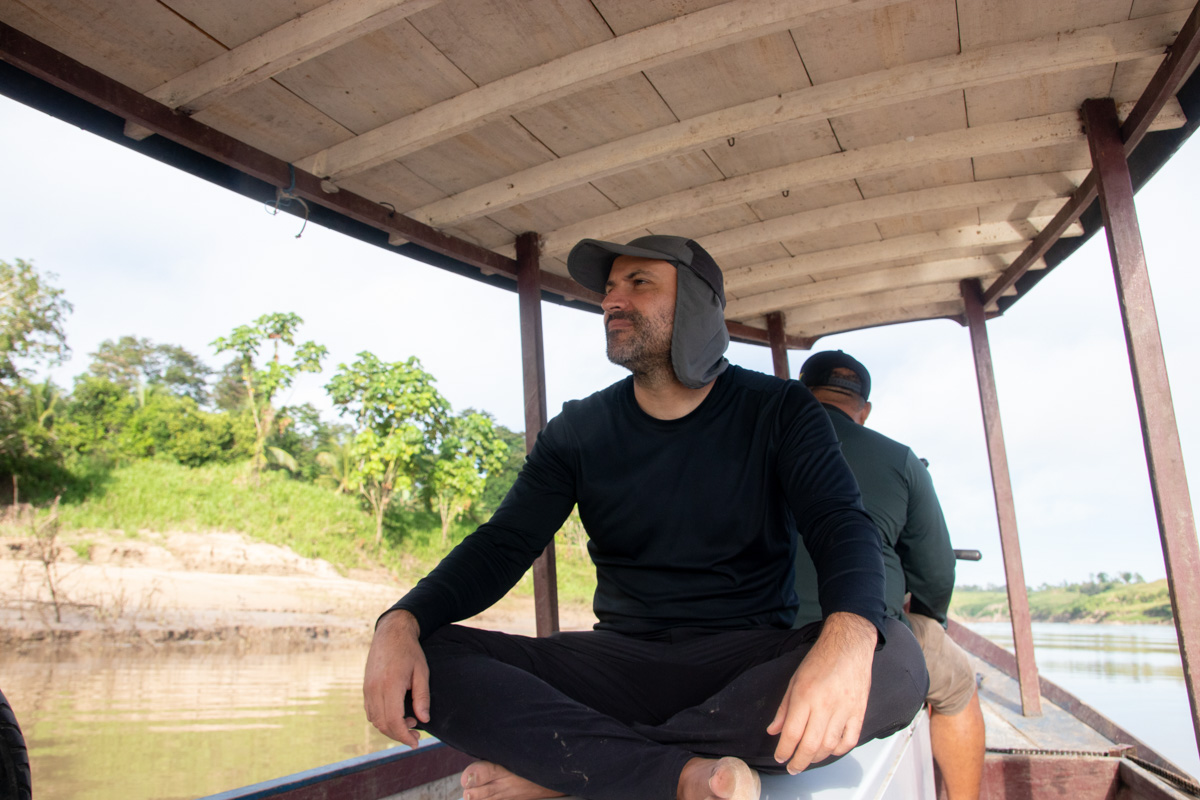
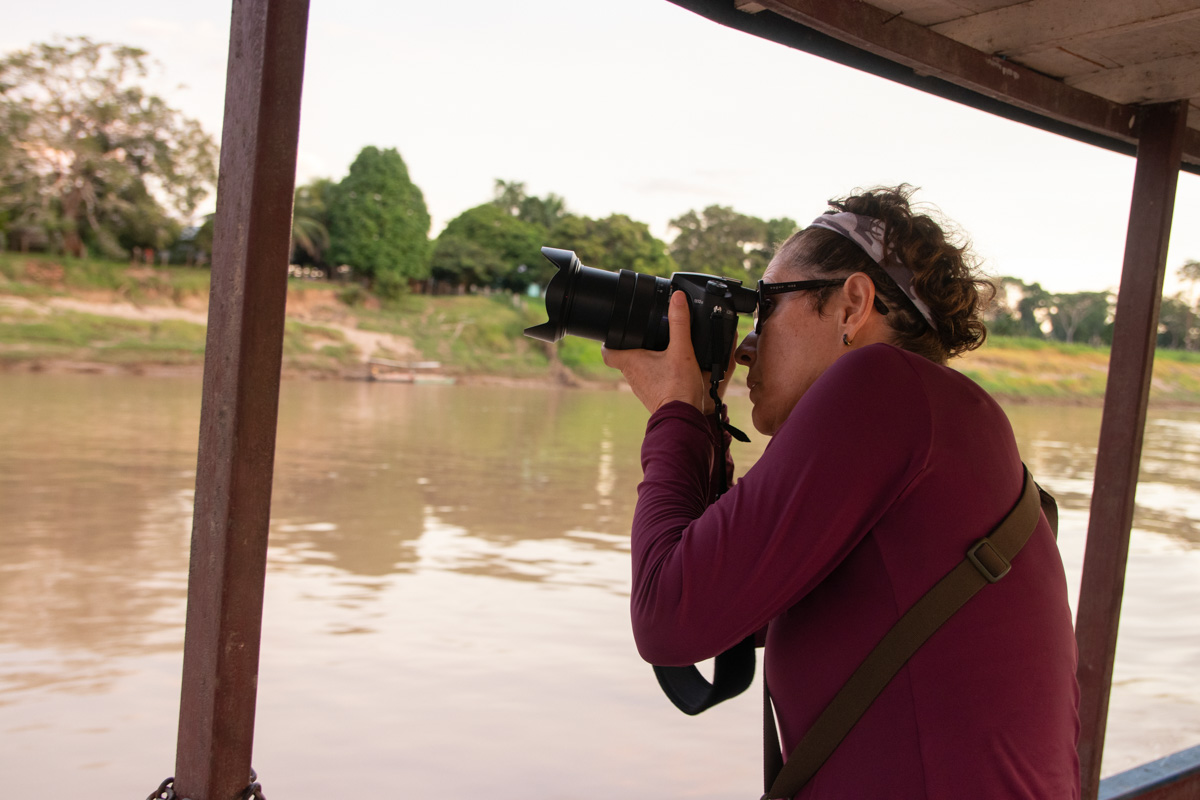
Afterwards we leave around 7:00 a.m. m. We took a boat to a private area on the banks of the Envira River. It is an excellent fragment of forest to see Tamarinus subgrisescens, Leontocebus weddelli melanoleucus and Plecturocebus cupreus. Traveling by boat to this place lasts between 1 hour and 30 minutes and 2 hours.
Day 4 – Register at the lodge for the morning and travel to Rio Branco
We got up very early to look for Tamarino Emperador Barbudo behind our guests’ house. There is a family of tamarinos that always passes by every morning; he has been there several times and always seen him crossing the street, sometimes great for photos and sometimes not so much; I have to have luck, but it’s always there.
Then we set off and about 8:00 we left for Rio Branco, a trip that lasts approximately 8 hours. We will stay at the Hotel Rede Andrade in Rio Branco, located in the neighborhood of Gameleira, in the center of the city.
Day 5 – Zoobotanical Park
After checking out at the hotel, we head to the Botanical Zoological Park, where we will see Tamarinus imperator, Leontocebus weddelli and Plecturocebus toppini. With a little luck, it is also possible to see Cebuella at night.
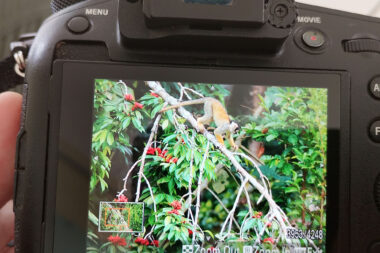
We stopped to have lunch at the Sabor do Sul barbecue and then we went to Parque Chico Mendes, the best place to see primates in Rio Branco. It is a large fragment of forest, and there we will see Saimiri boliviensis, Leontocebus weddelli and Plecturocebus toppini. On my last visit, I discovered an ideal place to see Cebuella at its best. It is also an ideal place to see Pithecia irrorata; On my last trip, I spent three days in the park and managed to see Sakis’ family in two days, spending more than an hour with them. There are two Saki families living in this fragment.
Day 6 – Chico Mendes Park
After this, we will go to Parque Chico Mendes, the best place to see primates in Rio Branco. It is a large fragment of forest where we will see *Saimiri boliviensis*, *Leontocebus weddelli*, *Plecturocebus toppini*, and on my last visit I discovered a wonderful place to see *Cebuella niveiventris*. It is also a wonderful place to see *Pithecia irrorata*. On my last trip, I spent three days in the park and managed to see the Sakis family in two days, spending more than an hour with them. There are two families from Sakis living in this fragment. We will spend the whole day there, which considerably increases our chances of meeting Sakis and pygmy primates.
Day 7 – Catuaba Experimental Farm
We are going to visit the Catuaba Experimental Farm, and the main objective is to get images of Goeldi’s marmoset – (Callimico goeldii).
Day 8 – Return to São Paulo and end of the expedition.
Our flight departs from Rio Branco Airport at 10:55 am, with an estimated arrival time in São Paulo at Guarulhos International Airport at 4:50 pm.
SERVICES INCLUDED
Round-trip flights from São Paulo to Rio Branco
Land and river transfers throughout the expedition
Accommodation with breakfast
Entrance to the parks
Specialized guides
SERVICES NOT INCLUDED
Travel Insurance
Lunch and Dinner
Any expense personal in nature
Any expense not listed above
Expenses incurred outside of meal times
Any other snack/water outside of the meal times are extra
Alcoholic drinks are extra anytime
FOR ALL LEVELS:
You don’t have to be a photographer to take part in this tour, as nature should be enjoyed by everyone.
PRICE:
PRICE UPON REQUEST
BOOKING CONDITIONS:
30% – UPON CONFIRMATION OF RESERVATION
70% – UP TO 15 DAYS BEFORE THE START OF THE TRIP
OR
PAYMENT OF THE TOTAL TRIP PRICE UPON BOOKING WITH A 15% DISCOUNT
PRICE FOR PRIVATE TOUR
PRICE UPON REQUEST
PAYMENT METHODS:
CREDIT CARD
OR
INTERNATIONAL TRANSFER VIA SWIFT CODE
NUMBER OF PARTICIPANTS:
GROUPS OF MAXIMUM 6 PEOPLE
BOOK HERE
TRAVEL SAFELY WITH AGENCIES DULY REGISTERED WITH CADASTUR
